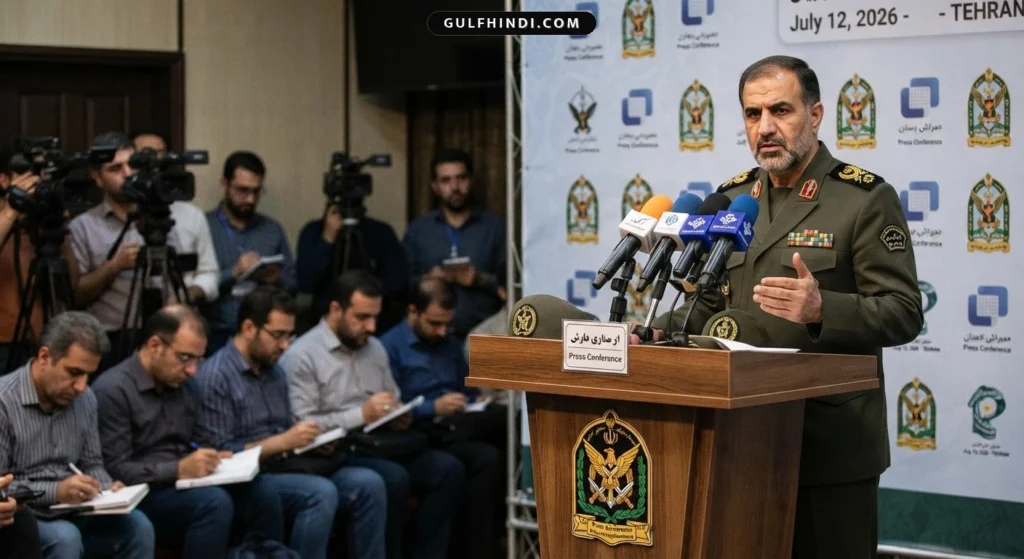
Tensions in the Gulf region have escalated once more as the agreement between Iran and the United States appears to have collapsed. This breakdown has led to a series of ongoing attacks, further complicating an already volatile situation. The delicate balance of peace that had been established through diplomatic negotiations is now in jeopardy, as both sides seem to be taking increasingly aggressive stances.
The breakdown of the agreement has reignited fears of conflict in a region that has already seen its fair share of hostilities. With both Iran and the U.S. ramping up military activities, the potential for miscalculation looms large. The Gulf has become a flashpoint for geopolitical rivalries, and the recent surge in attacks underscores the fragility of the situation. Analysts are closely monitoring the developments, as any further escalation could have dire consequences not just for the countries involved, but for global oil markets and international stability as well.
As the situation unfolds, it is crucial for the international community to engage in dialogue and seek avenues for de-escalation. The stakes are high, and a return to diplomacy may be the only viable solution to prevent further hostilities. The repercussions of continued conflict in the Gulf could extend well beyond the region, affecting trade routes, energy supplies, and global security dynamics. It is imperative for all parties to consider the potential fallout of their actions and work toward a peaceful resolution before tensions reach a breaking point.