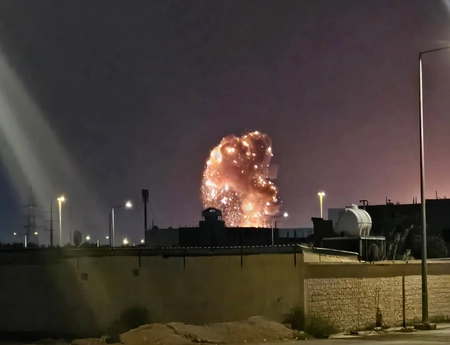
The Strait of Hormuz, a crucial waterway for global oil transportation, has once again become a focal point of military tensions. Following a recent attack on a ship in this strategic region, the United States has carried out its third significant military action against Iran. This escalation reflects the growing concerns over maritime security and the stability of oil supplies, which are vital not only for the economies of the surrounding nations but for the entire world.
The incident that triggered this military response involved an attack on a vessel that was navigating through the Strait, an area known for its narrow passage and high volume of maritime traffic. The U.S. government has consistently accused Iran of being behind a series of aggressive actions aimed at disrupting shipping in the region. In retaliation, the latest military strike by the U.S. aims to deter further Iranian aggression and reassure allies who depend on the safety of these vital shipping lanes.
The geopolitical implications of this situation are significant. The Strait of Hormuz is a lifeline for oil exports, with a substantial percentage of the world’s oil passing through it daily. Any disruptions in this area can lead to spikes in oil prices and have far-reaching effects on global markets. As tensions rise, diplomatic efforts are crucial in preventing an all-out conflict that could have devastating consequences not just for Iran and the U.S., but for the entire region and beyond. The ongoing situation underscores the importance of maintaining open lines of communication and finding peaceful resolutions to avoid further escalation.