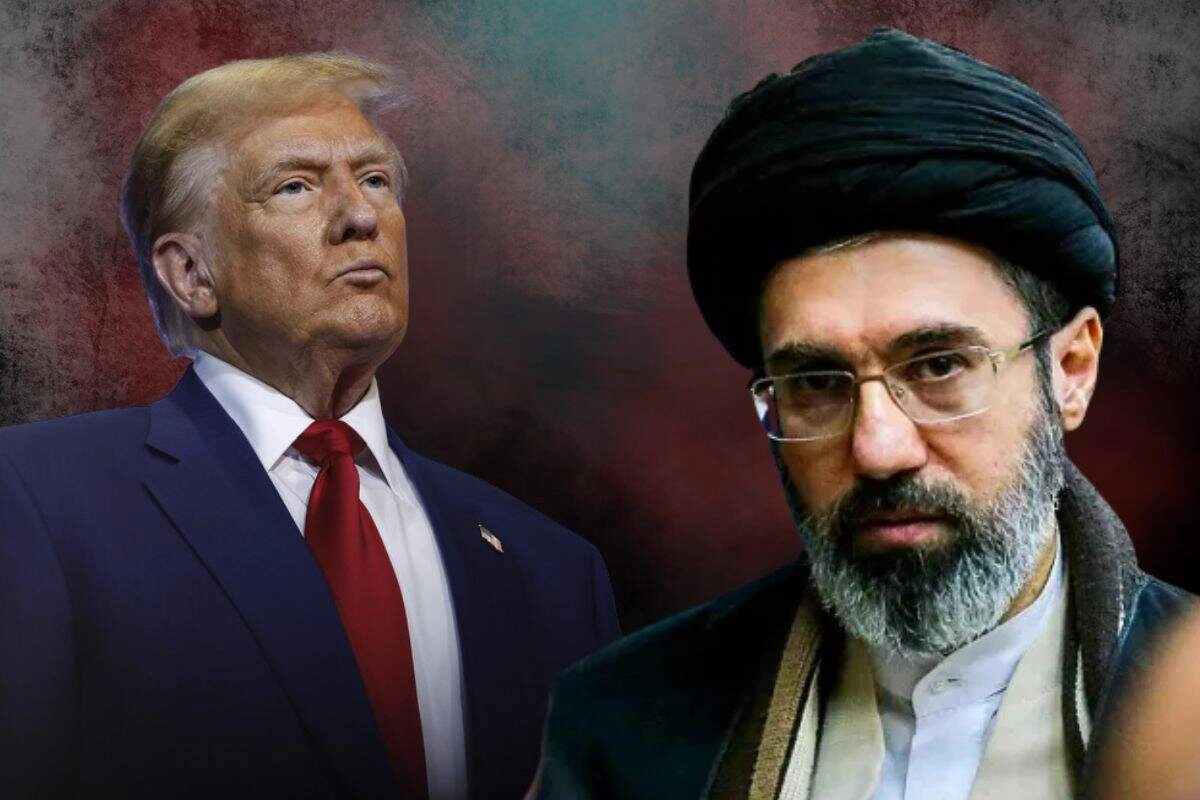
The potential for a conflict between Iran and the United States raises significant questions about the geopolitical landscape and the alliances that may form in such a scenario. If a war were to escalate, various countries would likely choose sides based on their political, economic, and strategic interests. Some nations would align themselves with Iran, either out of ideological solidarity, regional alliances, or mutual opposition to U.S. policies. This could include countries like Russia and China, which have historically maintained relationships with Iran and may see an opportunity to counterbalance U.S. influence in the region.
On the other hand, several countries in the Middle East and beyond may side with the United States, viewing Iran’s actions as a threat to regional stability. Nations such as Saudi Arabia, Israel, and the United Arab Emirates have previously expressed concerns about Iran’s nuclear ambitions and its support for proxy groups in the region. These countries might offer military or logistical support to the U.S. in the event of a conflict, further intensifying the situation.
Furthermore, there are nations that may choose to remain neutral, recognizing the potential for widespread consequences that a war could bring. Countries in Europe, for instance, might advocate for diplomatic solutions rather than military engagement, given their economic ties and the impact a war could have on global markets and energy supplies. The intricacies of international relations mean that some nations may also calculate their responses based on the potential for economic gain or loss, as well as the desire to maintain stability in their own regions.
In summary, a potential war between Iran and the U.S. would not only involve direct military engagements but would also reshape global alliances and influence international relations. The responses of various countries would be driven by a blend of ideological alignments, strategic interests, and economic considerations, illustrating the complexity of modern geopolitics. As tensions continue to rise, it is crucial to analyze these dynamics and anticipate the possible outcomes of such a conflict, which could have far-reaching implications for global peace and security.