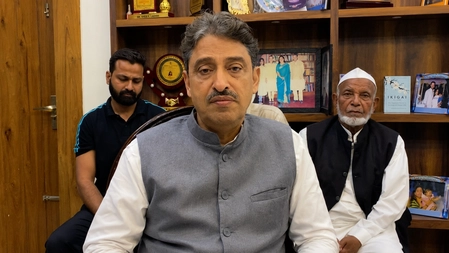
Imran Masood has leveled serious allegations against the central government and the Uttar Pradesh government, accusing them of conspiring to seize the properties of religious institutions. This claim has sparked significant concern among various communities, as it raises questions about the protection of religious properties and the autonomy of religious organizations in India. Masood’s accusations suggest that there is a systematic effort to undermine the rights of these institutions, which have historically played a crucial role in providing social services and community support.
The implications of such a conspiracy could be far-reaching, potentially leading to increased tensions among different religious groups. If religious institutions are viewed as targets for property seizures, it could lead to widespread unrest and a breakdown of trust between communities and the government. Masood’s remarks highlight the need for vigilance and accountability in the management of religious properties, emphasizing that any attempts to appropriate these assets must be met with strong resistance from the public and civil society.
Furthermore, this situation underscores the ongoing debate about the relationship between religion and state in India. Many believe that the government should maintain a neutral stance when it comes to religious matters, ensuring that all communities are treated equitably. The allegations made by Masood could serve as a rallying point for those advocating for the protection of religious rights and the preservation of cultural heritage. As this issue unfolds, it will be essential for stakeholders to engage in constructive dialogue, aiming for solutions that respect the rights of religious institutions while also addressing legitimate governance concerns.