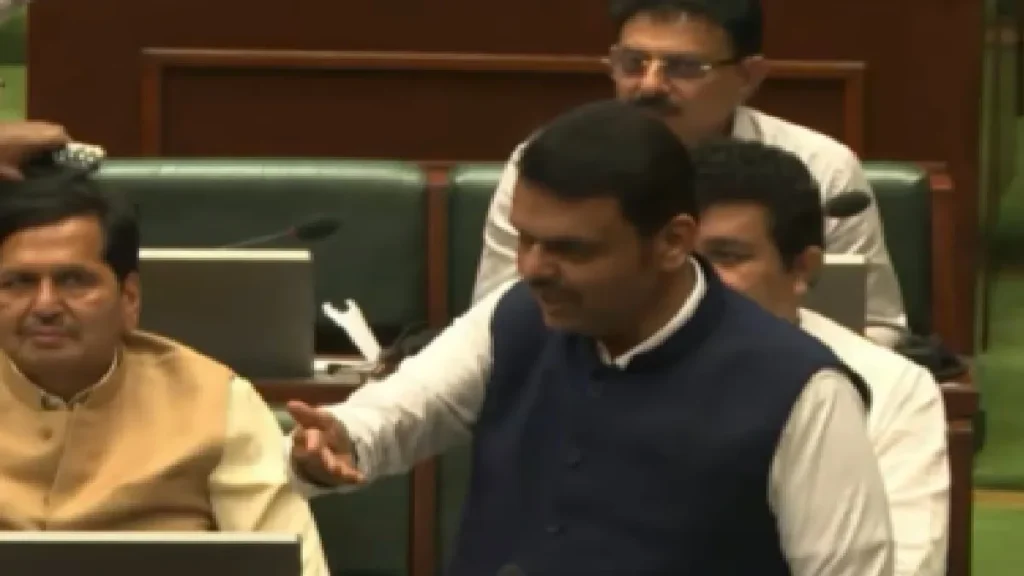
The implementation of the Uniform Civil Code (UCC) in Maharashtra has emerged as a significant political issue, particularly with the Devendra Fadnavis-led government planning to introduce a bill during the upcoming winter session. The UCC aims to replace personal laws based on the scriptures and customs of each major religious community in India with a common set governing every citizen. This initiative is seen as a step toward ensuring gender equality and social justice, as it seeks to provide uniformity in matters of marriage, divorce, inheritance, and adoption, irrespective of an individual’s religion.
However, the proposal has sparked considerable unrest among Muslim leaders and various religious groups. They argue that the UCC undermines their religious freedoms and cultural practices, which are deeply rooted in their traditions. Critics of the UCC assert that its implementation could lead to a loss of identity for minority communities and impose a singular set of laws that may not adequately cater to the diverse needs and beliefs of different religious groups. Consequently, protests have erupted, with religious leaders voicing their concerns about the implications of such a law on their personal rights and community structures.
The government, on the other hand, maintains that the UCC is essential for promoting national integration and equality among citizens. Advocates argue that it would eliminate discriminatory practices prevalent in personal laws, particularly those affecting women. As the winter session approaches, discussions surrounding the UCC are expected to intensify, with both supporters and opponents gearing up for a robust debate. The outcome of this legislative move could have far-reaching consequences for the socio-political landscape of Maharashtra and potentially set a precedent for other states in India.