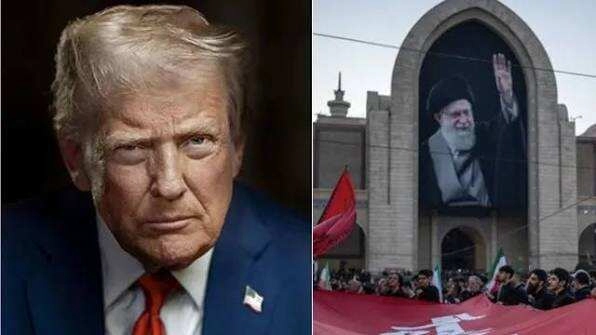
The recent tensions between the United States and Iran have escalated to alarming levels, particularly with the emergence of a threatening statement directed at former President Donald Trump. Amidst the backdrop of potential conflict, the rhetoric has intensified, leading to concerns about safety and international relations. The threat reportedly originated from a group associated with Iran, which has been vocal in its disdain for Trump’s policies and actions during his presidency, particularly those that targeted Iran and its leadership.
The statement, “We Will Kill Trump,” underscores the serious nature of the threats being made, as it reflects the deep-seated animosities that have existed between the two nations for decades. Following the death of Iranian General Qassem Soleimani, who was killed in a U.S. drone strike authorized by Trump, tensions reached a critical point. The Iranian leadership, including Supreme Leader Ayatollah Ali Khamenei, has vowed retaliation, and the atmosphere has been charged with hostility, leading to fears of further escalation.
As the geopolitical landscape shifts, the implications of such threats extend beyond mere words. They highlight the fragility of peace and the potential for violence in a region that has long been marked by conflict. The international community watches closely, aware that any aggressive actions could lead to significant consequences not just for the U.S. and Iran, but for global stability as a whole. In this context, the threats against Trump serve as a stark reminder of the ongoing volatility in U.S.-Iran relations, raising questions about future diplomatic efforts and the possibility of resolving longstanding grievances.