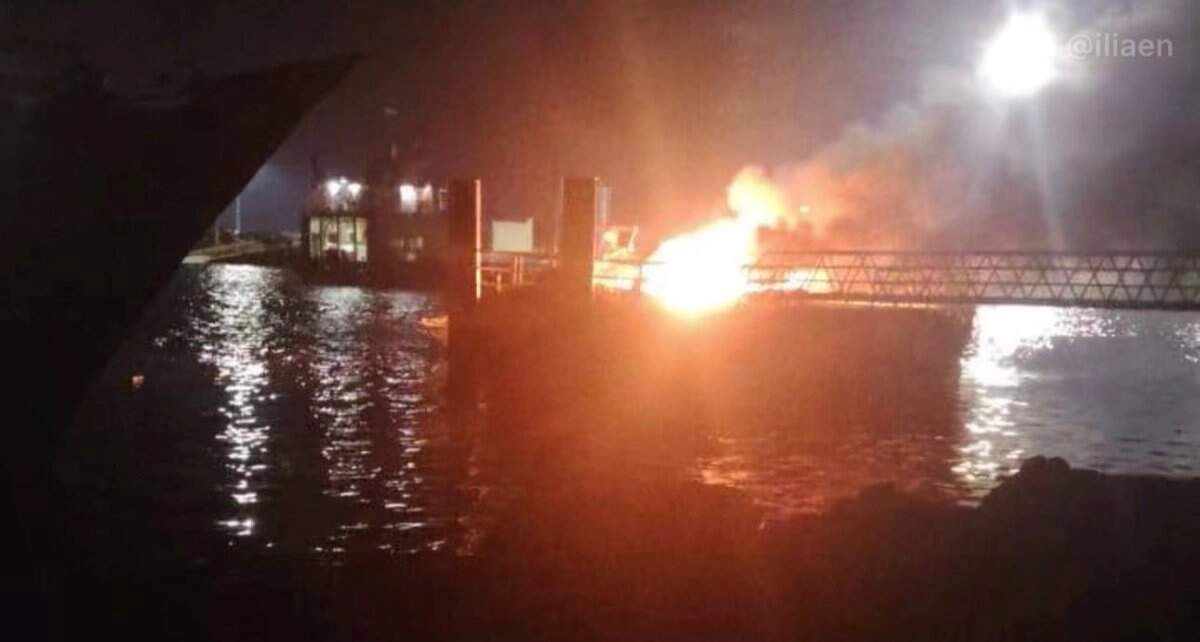
The situation between the United States and Iran has escalated dramatically, with recent American airstrikes targeting key infrastructure in Iran, particularly a railway bridge that plays a crucial role in transportation and logistics. This marked a significant increase in tensions between the two nations, highlighting the ongoing conflict and the deteriorating relationship that has been building over the years. The strikes were characterized by their precision and intensity, reflecting the U.S. military’s capabilities and its willingness to take decisive action in response to perceived threats.
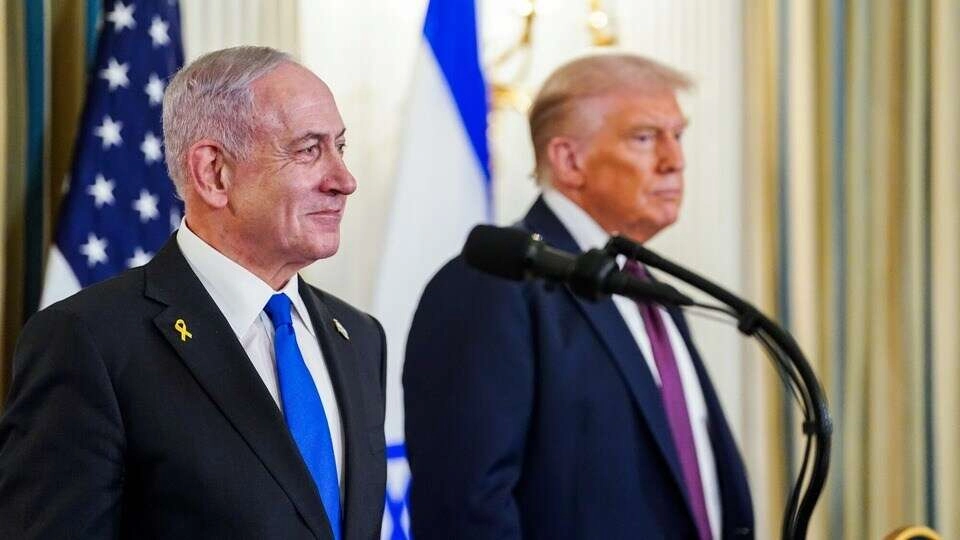
Former President Donald Trump has weighed in on the situation by sharing a video that captures the aftermath of the attacks, further fueling discussions around U.S. military interventions. His actions have reignited debates about the effectiveness and consequences of military action, especially in regions with complex geopolitical dynamics like the Middle East. Many are questioning the long-term implications of such strikes, both for U.S.-Iran relations and for stability in the broader region.
The targeting of infrastructure raises concerns about civilian safety and the potential for escalating violence. Critics of the action argue that such military tactics could lead to greater instability and a cycle of retaliation. Supporters, on the other hand, may view these strikes as necessary measures to deter Iran from pursuing aggressive actions. As the international community watches closely, the situation remains fluid, with potential repercussions that could affect not only Iran and the U.S. but also other nations involved in Middle Eastern geopolitics. The unfolding events serve as a stark reminder of the fragile nature of peace in the region and the complexities that come with international military engagements.