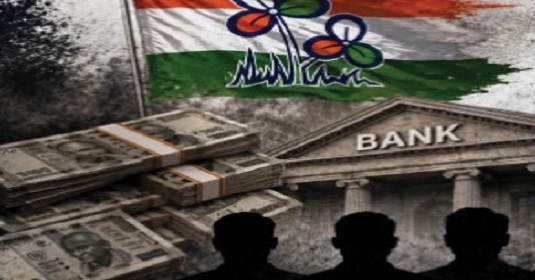
The Enforcement Directorate (ED) has significantly intensified its investigation into the Trinamool Congress (TMC) party, focusing on allegations of money laundering. Recently, the ED froze bank accounts containing ₹440 crore linked to the TMC, marking a substantial escalation in the agency’s efforts to crack down on financial irregularities within the party. This move has raised serious concerns among TMC leaders and supporters, who view it as part of a broader political strategy aimed at undermining the party’s influence in West Bengal.
The investigation stems from various allegations surrounding financial transactions that suggest illicit activities. The ED’s scrutiny extends to several key figures within the TMC, as authorities delve into the sources and uses of the funds in question. As the agency conducts its probe, it is expected to gather more evidence and testimonies that could further implicate individuals associated with the party. The frozen accounts have not only created a financial strain but also heightened the political tensions in a state where the TMC has been the dominant party for years.
In response to these developments, TMC leaders have vehemently denied any wrongdoing, asserting that the investigation is politically motivated. They argue that the ED’s actions are an attempt to stifle dissent and manipulate the political landscape ahead of upcoming elections. As the situation unfolds, the implications of the ED’s findings could have far-reaching consequences for the TMC, potentially altering the balance of power in West Bengal’s political arena. The ongoing investigation serves as a reminder of the intricate relationship between politics and law enforcement in India, raising questions about the extent to which political parties can be held accountable for financial misconduct.