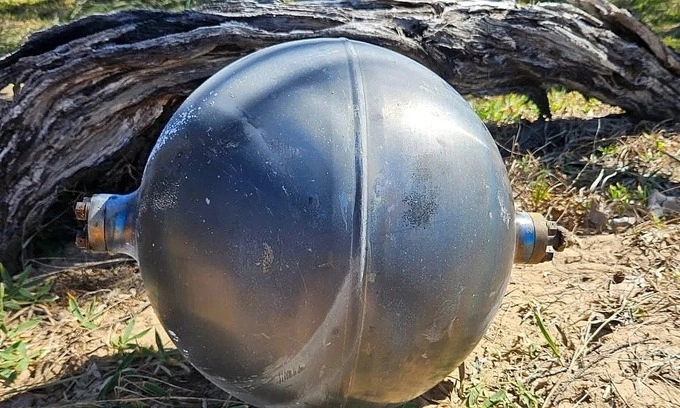
Australian authorities recently made headlines after the discovery of mysterious metallic spheres washed ashore on a beach, leading to its immediate closure. The incident occurred when several of these unusual objects were found scattered along the coastline, prompting safety concerns among local officials and beachgoers alike. The spheres, described as being of a metallic composition, raised alarms regarding their origin and potential hazards, as they were deemed an unknown commodity with unknown properties.
Local residents and tourists were instructed to steer clear of the area while specialists were called in to investigate the spheres’ origin and purpose. Initial assessments indicated that the objects could potentially be hazardous, leading to a precautionary closure of the beach. Experts from various fields, including environmental scientists and space agencies, were mobilized to determine whether the spheres were remnants of space debris or had other extraterrestrial connections.
The situation sparked widespread curiosity and speculation, with many wondering if these spheres were linked to recent satellite launches or other space-related activities. As investigations proceeded, authorities emphasized the importance of safety, urging the public to remain vigilant and report any similar findings. The unfolding mystery of the metallic spheres not only captivated local communities but also drew attention from media outlets worldwide, highlighting the intriguing intersection between our planet and the cosmos.
As researchers continue to analyze the spheres, their findings could offer insights into space debris management and the potential risks posed by such materials to our environment. The incident serves as a reminder of the vast and often unpredictable nature of space, underscoring the need for ongoing monitoring of objects that enter Earth’s atmosphere. The beach closure may have been a temporary measure, but it has opened up a larger dialogue about the implications of space exploration and the challenges posed by debris that may eventually find its way back to our shores.