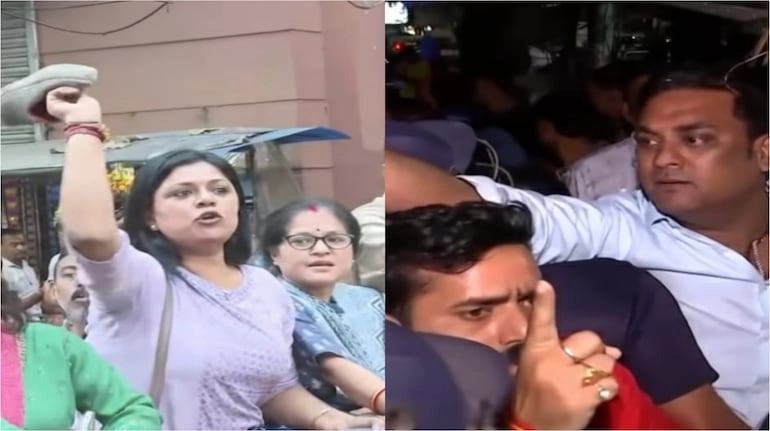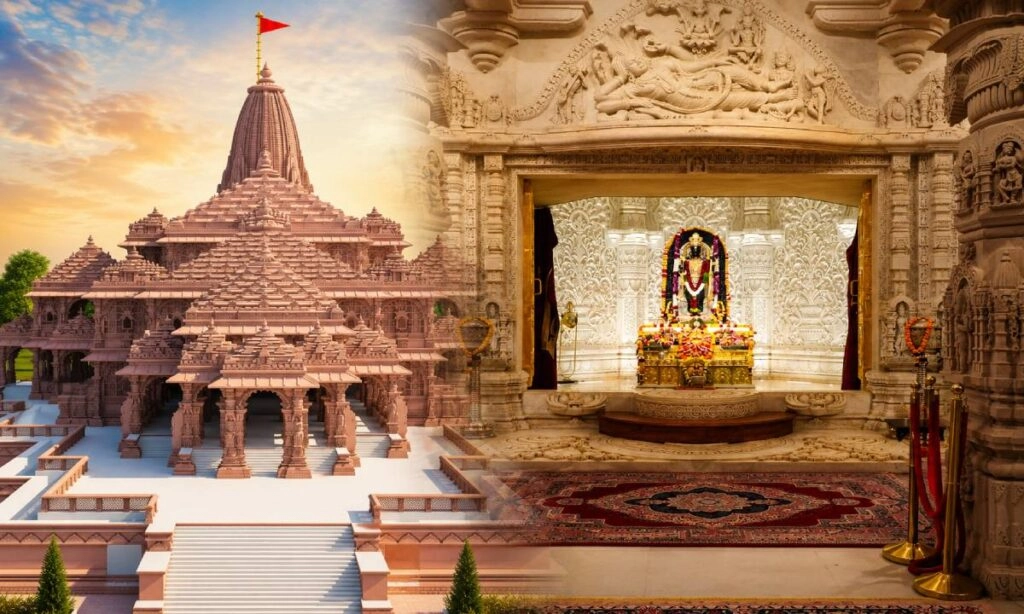
The investigation conducted by the Special Investigation Team (SIT) into the Ram Mandir case has revealed significant findings that shed light on the events surrounding the disputed site in Ayodhya. The inquiry aimed to unravel the complex history and the various incidents that led to the construction of the Ram Mandir, which has been a focal point of religious and political tensions in India for decades. The SIT’s thorough examination involved scrutinizing historical documents, eyewitness testimonies, and other critical evidence to understand the timeline of events and the motivations behind them.
One of the key revelations from the investigation was the involvement of various political and religious leaders who played pivotal roles in mobilizing support for the Ram Mandir movement. The SIT uncovered a network of organizations and individuals who actively participated in the campaign, which escalated in the late 1980s and early 1990s. This mobilization effort included rallies, public speeches, and various forms of activism aimed at asserting the Hindu community’s claim to the site, which they believe to be the birthplace of Lord Rama. The investigation highlighted the polarizing effect of these actions on communal relations in the region.
Additionally, the SIT’s findings brought to light the series of events leading up to the demolition of the Babri Masjid in 1992, a watershed moment that intensified religious divisions in India. The investigation detailed how the escalation of tensions culminated in violence and unrest, resulting in significant loss of life and property. The SIT emphasized the need for accountability and justice for the victims of the riots that followed, as well as the importance of fostering dialogue between communities to promote healing and reconciliation.
In conclusion, the Ram Mandir SIT investigation has provided a comprehensive overview of the historical, political, and social contexts surrounding the Ram Mandir movement. It underscores the complexities involved in addressing issues of faith, identity, and heritage in a diverse society like India. The findings not only aim to clarify the past but also serve as a reminder of the importance of mutual respect and understanding among different communities to prevent the recurrence of such conflicts in the future.