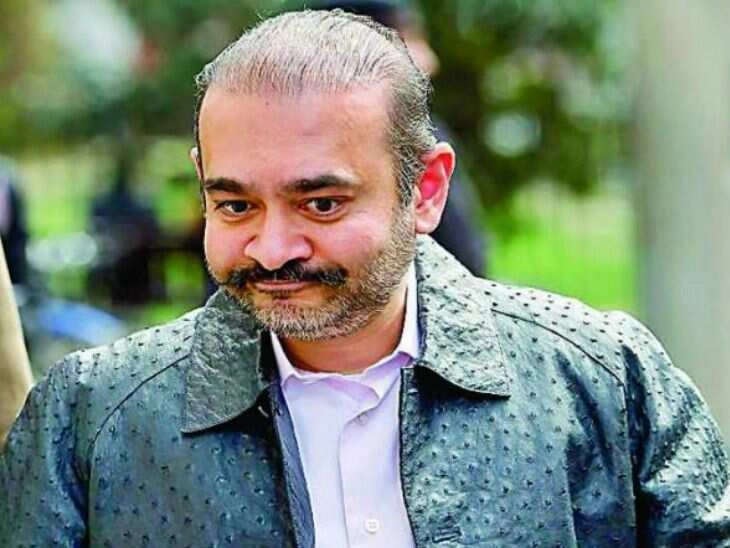
A significant claim has emerged regarding the extradition of Nirav Modi, the Indian businessman wanted for his involvement in a major financial fraud case. Recent reports indicate that he may not receive relief from the European Court, despite ongoing legal battles and appeals. This development could have considerable implications for his extradition process, as the court’s decision plays a crucial role in determining whether Modi will be sent back to India to face charges related to the Punjab National Bank scam.
Modi, who has been residing in the UK, has been fighting extradition on various grounds, claiming that he would not receive a fair trial in India. However, the latest news suggests that the European Court may not grant him the reprieve he was hoping for. The situation has garnered significant media attention, given the magnitude of the fraud and the high-profile nature of the case. If the court rules against him, it could pave the way for his extradition to India, where he faces serious allegations of financial misconduct and money laundering.
The ramifications of this case extend beyond just Modi himself; it also reflects the broader challenges of international law and cooperation in combating financial crimes. The outcome of this legal battle is being closely monitored by various stakeholders, including law enforcement agencies, legal experts, and the public, who are keenly interested in seeing justice served in what has become one of India’s most notorious financial scandals. As the situation unfolds, it remains to be seen how the legal proceedings will develop and what final decisions will be made by the courts involved.