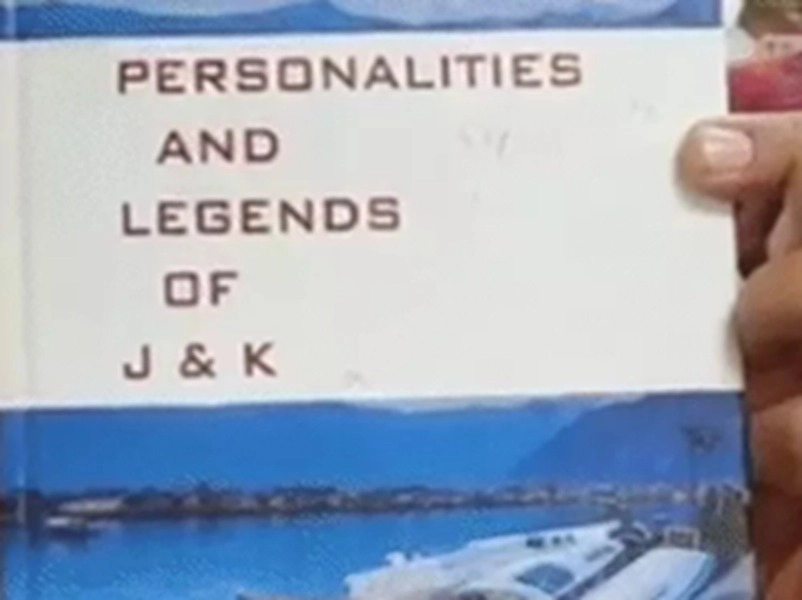
Recently, a significant controversy erupted in Jammu and Kashmir following the discovery of certain controversial books in the libraries of government schools. These books, which contained sensitive content deemed inappropriate for educational settings, sparked public outrage and concerns among parents and educators alike. In response to the escalating situation, local authorities swiftly registered a case under the Unlawful Activities (Prevention) Act (UAPA), signifying the seriousness with which they are treating the matter. The UAPA is typically invoked in situations involving terrorism or activities that threaten the integrity and security of the nation, highlighting the authorities’ commitment to maintaining a secure educational environment.
In light of the controversy, the government took decisive action by recalling all copies of the controversial books from schools across the region. This move aimed to mitigate any further unrest and restore confidence among parents and the community regarding the educational materials being provided to students. The decision to remove these books underscores the government’s responsibility to ensure that the educational content aligns with the cultural and social values of the region, as well as the legal frameworks that govern educational institutions.
As the situation unfolds, it raises important questions about the selection and vetting processes for educational materials in schools. Stakeholders, including educators, parents, and policymakers, may need to engage in discussions about the criteria for evaluating books and other resources to be used in classrooms. This incident not only highlights the sensitivities surrounding education in Jammu and Kashmir but also reflects broader themes of censorship, freedom of expression, and the role of educational institutions in shaping young minds. The government’s actions in this case will likely influence future policies regarding educational content and the monitoring of resources available in schools.