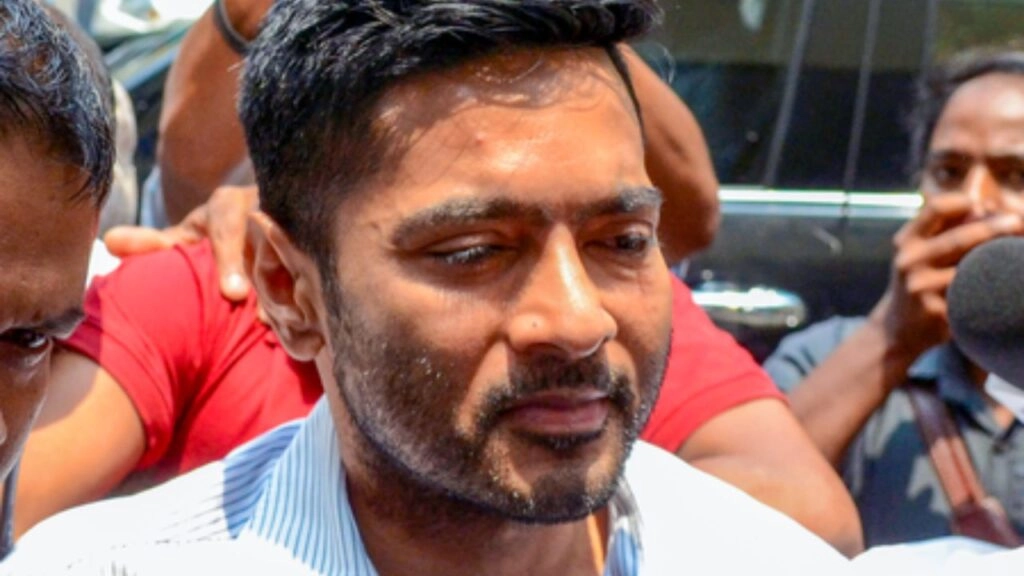
Abhishek Banerjee, a prominent political figure in West Bengal and an influential leader within the Trinamool Congress (TMC), has come under scrutiny from the Criminal Investigation Department (CID) of Bengal. Authorities are seeking his voice sample as part of an ongoing investigation. This development has raised significant questions regarding the nature of the allegations against him and the implications it holds for his political career and the TMC party at large.
The CID’s interest in obtaining Banerjee’s voice sample is linked to a broader investigation into alleged irregularities and corruption. Although the specifics of the case remain under wraps, sources indicate that the inquiry is focused on various aspects of governance and administrative conduct during his tenure. The implications of such allegations can be dire for any political leader, potentially undermining their credibility and influence. Banerjee’s supporters view this move as an attempt by rival parties to tarnish his reputation, while critics argue that accountability is essential in governance.
As the political landscape in West Bengal remains charged, this investigation adds another layer of complexity to the ongoing power dynamics within the state. Banerjee, known for his charismatic leadership and ability to mobilize support, now faces the challenge of navigating these allegations while maintaining his position. The outcome of this investigation could have far-reaching consequences for not only Banerjee but also for the TMC, which has been a dominant force in West Bengal politics for over a decade.
In light of these developments, the situation will be closely monitored by political analysts and the public alike. The intersection of law enforcement and politics in this case underscores the ongoing challenges faced by politicians in India, where allegations of corruption and misconduct are often leveraged as tools in the competitive political arena. As West Bengal continues to grapple with these issues, the resolution of this investigation will likely influence the future trajectory of the state’s political landscape.