Did you know that Hindu deities are also worshipped in Japan? The cultural ties between India and Japan date back over 1,400 years, showcasing a fascinating story of historical connections and spiritual exchanges. This relationship is not only rooted in ancient trade routes but also in the spread of Buddhism, which carried with it various elements of Indian culture, including religious practices and iconography.
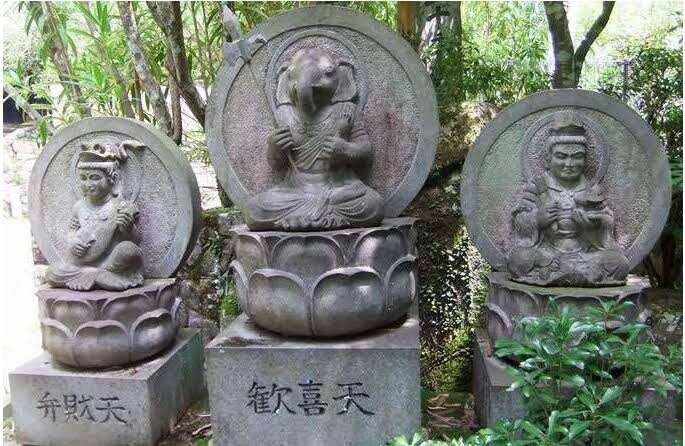
In Japan, you can find temples and shrines dedicated to Hindu gods such as Ganesha and Saraswati. The influence of Hinduism on Japanese culture can be seen in various forms, from art and architecture to festivals and rituals. For instance, the deity Ganesha is often invoked for wisdom and success, and his image can be found in various Japanese art forms. Similarly, Saraswati, the goddess of knowledge and arts, holds a special place in the hearts of many Japanese people, symbolizing the pursuit of education and creativity.
The historical connections between India and Japan were further strengthened during the 7th century when Indian monks traveled to Japan, bringing with them Buddhist teachings that were deeply intertwined with Hindu philosophies. These exchanges paved the way for a rich tapestry of cultural interactions, leading to a unique blend of spiritual and artistic expressions that are still celebrated in Japan today.
Understanding this cultural bond enriches our perception of both nations and highlights the universal themes of reverence, knowledge, and artistic expression. As we explore the shared heritage between India and Japan, we can appreciate how ancient ties continue to influence contemporary society, fostering mutual respect and admiration across cultures.