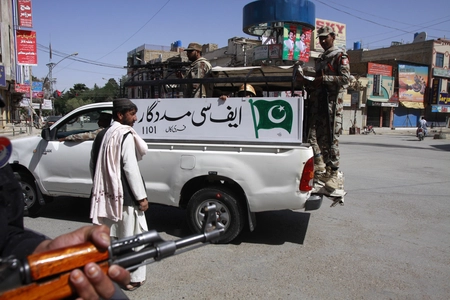
In Balochistan, the Baloch Liberation Army (BLA) has made a significant claim regarding its recent activities. According to the group’s statement, they have conducted 23 attacks within a span of just 10 days. These operations have resulted in the loss of 16 Pakistani security personnel, highlighting the ongoing conflict and tensions in the region. The BLA, which has been active for several years, seeks greater autonomy and rights for the Baloch people, often resorting to violence as part of its resistance against the Pakistani state.
The situation in Balochistan has long been a contentious issue, characterized by a struggle for resources, political representation, and cultural recognition. The region is rich in natural resources, including gas and minerals, yet many locals feel marginalized and deprived of the benefits that such wealth should bring. The BLA’s activities, while condemned by the Pakistani government, are viewed by some in the region as a form of resistance against oppression and exploitation.
This recent escalation of violence raises concerns about the safety of security forces and civilians alike. The Pakistani military has been engaged in various operations to counteract the influence of militant groups like the BLA, but the persistent attacks indicate that the conflict remains unresolved. The cycle of violence not only impacts the immediate areas where these incidents occur but also contributes to a broader atmosphere of instability in Balochistan, complicating efforts for peace and development in the region.
As the situation unfolds, it remains critical for stakeholders, including the Pakistani government and local leaders, to engage in dialogue aimed at addressing the root causes of discontent among the Baloch people. Achieving a lasting solution requires not only military action but also a commitment to understanding and addressing the socio-economic grievances that fuel such conflicts. The path forward will demand patience, negotiation, and a willingness to foster inclusivity and equity in governance.