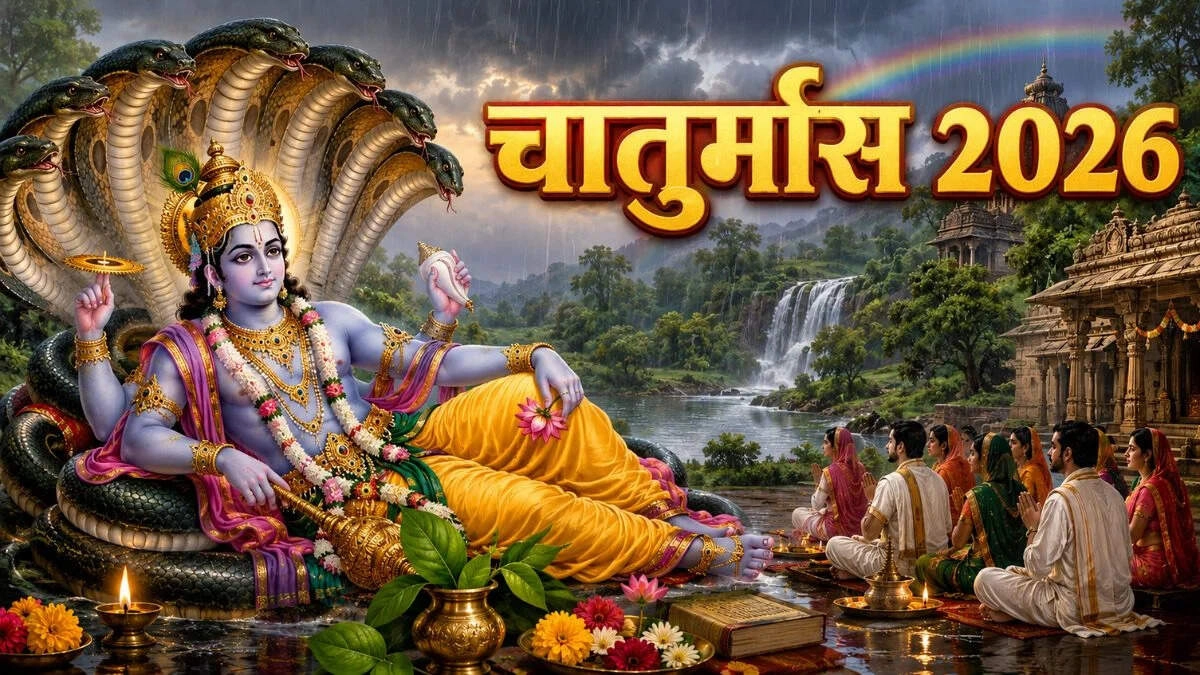
Chaturmas, a significant period in the Hindu calendar, will commence in 2026, marking a time of spiritual reflection and devotion. This four-month phase is traditionally observed during the monsoon season and is considered auspicious for various religious activities. Chaturmas begins on the Shukla Paksha Ekadashi of the month of Shravan, typically falling in July or August, and lasts until the full moon (Purnima) of the month of Kartik. During these months, devotees are encouraged to engage in heightened spiritual practices, including fasting, meditation, and increased participation in religious ceremonies.
The importance of Chaturmas lies in its emphasis on self-discipline and purification. Many devotees choose to abstain from certain foods, particularly non-vegetarian items, and focus on vegetarian diets to enhance their spiritual connection. This period is also marked by the observance of various rituals and festivals, which serve to strengthen one’s faith and community ties. It is believed that the divine blessings received during these months can lead to spiritual growth and fulfillment.
Moreover, there are specific dos and don’ts associated with Chaturmas that devotees should adhere to for maximum benefit. Activities such as visiting temples, performing charity, and reading sacred texts are highly encouraged. Conversely, engaging in negative behaviors or activities that promote ego and materialism are to be avoided. This sacred observance not only fosters individual growth but also promotes harmony and understanding among communities.
In summary, Chaturmas is a time for introspection, devotion, and communal harmony, making it a profound and cherished period in the Hindu tradition. Understanding its significance and adhering to its practices can lead to a more meaningful spiritual experience, offering devotees a chance to connect deeply with their faith and the divine. The rituals and observances during this time serve as a reminder of the importance of spirituality in everyday life.