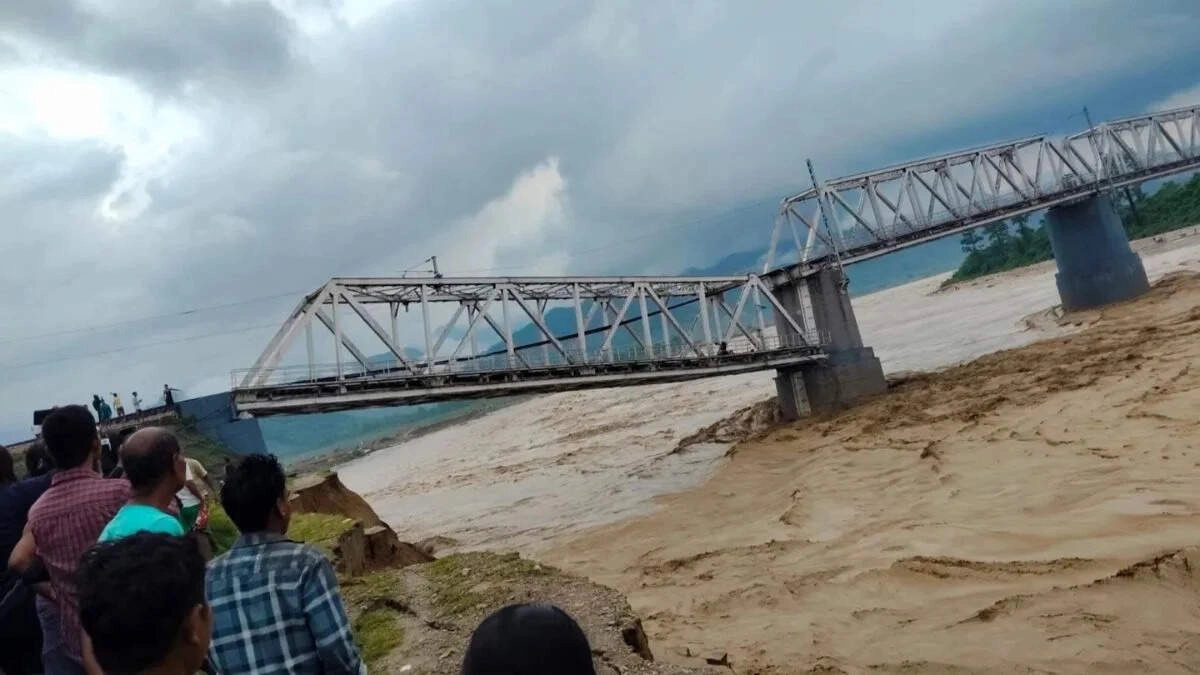
Every year, heavy rainfall wreaks havoc in various regions, leading to incidents such as bridge collapses, suspension of train services, and displacing thousands of people. Recent reports indicate that around 45,000 individuals have been left homeless due to these catastrophic weather events. This recurring scenario raises questions about the reasons behind the devastating floods that strike annually, prompting a closer examination of the key factors contributing to this crisis.
One of the primary reasons for these floods is the increasing intensity of monsoon rains, exacerbated by climate change. As global temperatures rise, weather patterns become more erratic, resulting in unexpected and heavy downpours. This sudden influx of rainwater overwhelms drainage systems and rivers, leading to widespread flooding. Additionally, urbanization plays a significant role in the increasing flood risk. The rapid development of cities often results in the reduction of natural drainage areas, while concrete surfaces prevent water absorption into the ground, further aggravating the situation.
Another critical factor is deforestation, which has a profound impact on the environment. The removal of trees disrupts the natural water cycle, reducing the land’s ability to absorb rainfall. Furthermore, the lack of vegetation leads to increased soil erosion, causing sedimentation in rivers and reducing their capacity to carry water. This combination of factors not only contributes to flooding but also poses long-term environmental challenges.
Inadequate infrastructure is also to blame for the recurring flood crises. Many regions lack proper drainage systems and flood control measures, leaving them vulnerable to heavy rains. Governments and municipalities often struggle to keep pace with the growing population and urban spread, resulting in insufficient investment in essential infrastructure. Lastly, poor land management practices, such as construction in flood-prone areas, exacerbate the situation, making communities more susceptible to the impacts of flooding.
In conclusion, the annual devastation caused by floods is a complex issue stemming from various factors, including climate change, urbanization, deforestation, inadequate infrastructure, and poor land management. Addressing these challenges requires a multifaceted approach that includes sustainable development practices, improved infrastructure investment, and effective disaster management strategies. Only through concerted efforts can we hope to mitigate the impacts of floods and protect vulnerable populations from the devastating consequences of heavy rainfall.