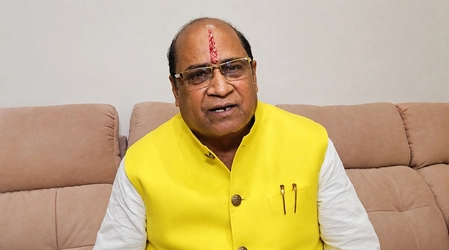
BJP legislator Surendra Maithani has made a statement accusing Asaduddin Owaisi of engaging in politics of appeasement towards the Muslim community. According to Maithani, Owaisi’s approach is aimed at garnering support from Muslim voters by prioritizing their interests over those of other communities. He argues that this kind of political maneuvering not only fosters division but also undermines the principles of equality and inclusivity that are essential for a harmonious society.
Maithani’s comments reflect a broader concern within the political landscape regarding the tactics used by certain leaders to consolidate their voter base. The BJP, often critical of what it perceives as identity-based politics, emphasizes the need for a more unified approach that transcends communal lines. By highlighting the issue of appeasement, Maithani seeks to draw attention to the potential negative implications of such politics, suggesting that it could lead to increased polarization among different groups.
The discourse surrounding Owaisi and his political strategies raises important questions about the role of identity in contemporary Indian politics. While some view Owaisi as a voice for marginalized communities, others, like Maithani, argue that his methods may perpetuate divisions rather than promote unity. This ongoing debate is indicative of the complex interplay between religion, politics, and social dynamics in the country, where leaders must navigate a diverse landscape of interests and identities.
In conclusion, Surendra Maithani’s assertions about Owaisi’s political tactics serve as a reminder of the contentious nature of electoral politics in India. As political parties continue to vie for power and influence, the challenge remains to create an inclusive environment that respects the rights and aspirations of all communities, without resorting to appeasement or division. The outcome of this political discourse will ultimately shape the future of communal relations and governance in the country.