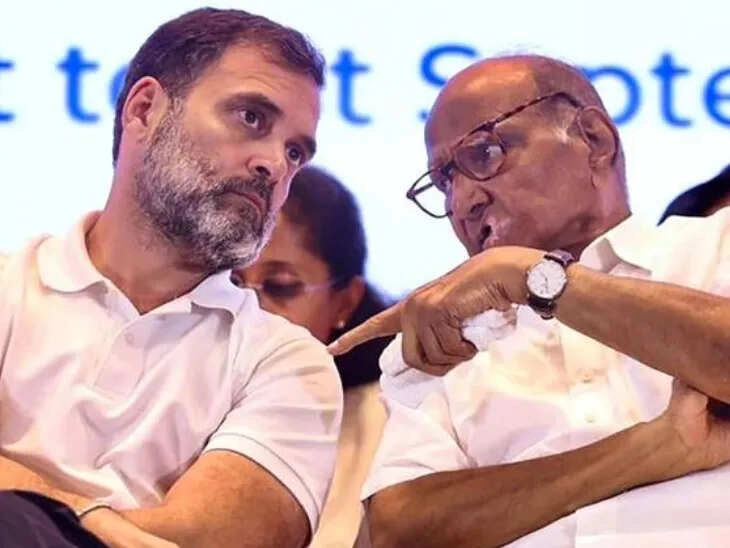
The political landscape in India is currently buzzing with speculation regarding the potential inclusion of Sharad Pawar’s Nationalist Congress Party (NCP) into a coalition with the Samajwadi Party (SP) and the Congress. This development has been fueled by recent statements made by senior leaders, which have ignited discussions and debates among political analysts and party workers alike. The possibility of such a coalition could significantly alter the dynamics of regional politics, especially in states where these parties have a substantial presence.
Sharad Pawar, a seasoned politician with decades of experience, has been a pivotal figure in Maharashtra’s political arena. His remarks have raised eyebrows and prompted many to consider the implications of a united front among these parties against their common adversaries. The potential alliance could not only consolidate votes but also strengthen the opposition’s stance in upcoming elections. Observers are keenly watching how these developments unfold, as they hold the promise of reshaping electoral strategies and voter alignments.
Moreover, the collaboration of NCP, SP, and Congress could be seen as a strategic maneuver to counteract the growing influence of rival parties. With the elections approaching, the urgency for these parties to come together and present a united front is becoming increasingly apparent. The challenges posed by their opponents necessitate a cohesive strategy, and an alliance could serve as a robust response to the current political climate. As discussions progress, the future of this potential coalition remains a focal point for both supporters and critics, marking a significant chapter in the evolving narrative of Indian politics.