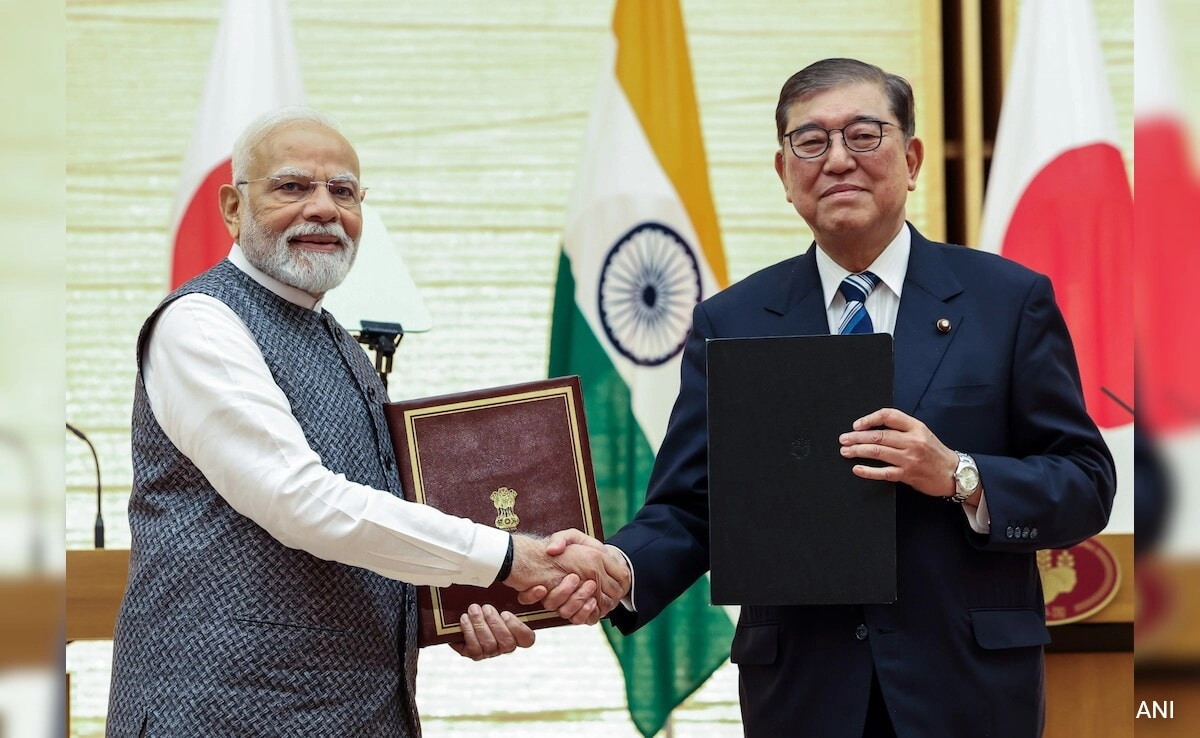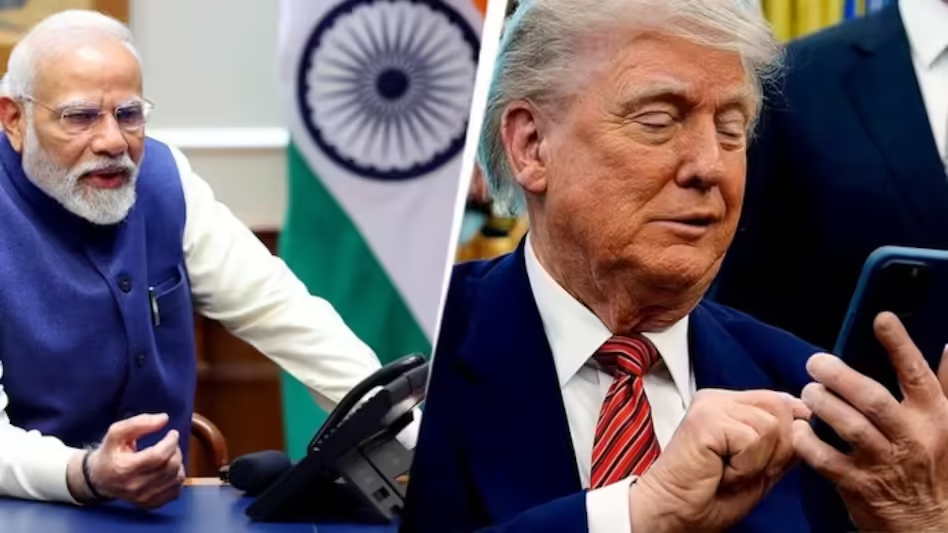
In a recent anecdote shared by Sergio Gore, a notable figure in political circles, he recounted an amusing yet revealing moment that highlighted the eagerness of former U.S. President Donald Trump to connect with Indian Prime Minister Narendra Modi. The incident took place early in the morning when Trump, brimming with enthusiasm, urged his aides to make a phone call to Modi, believing that the Indian leader must have already woken up by that hour. This moment not only showcases Trump’s keen interest in engaging with world leaders but also emphasizes the significance he placed on maintaining strong diplomatic ties with India.
Gore’s recounting of the story sheds light on the dynamics of international relations, particularly during Trump’s presidency when he often sought to forge closer bonds with key allies. The urgency expressed by Trump reflects his approach to diplomacy, which often involved direct and personal communication with other heads of state. It underscores a departure from traditional diplomatic protocols, where such communications might be more measured and scheduled. Trump’s desire to speak with Modi at the crack of dawn illustrates the informal yet direct style he adopted in international affairs.
The anecdote serves as a reminder of the personal relationships that can influence global politics. Trump’s approach to engaging with Modi was not just about policy discussions; it was also about building rapport and understanding between the two leaders. This personal connection is crucial in diplomacy, as it can facilitate smoother negotiations and foster cooperation on various issues ranging from trade to security. In the context of U.S.-India relations, such interactions have the potential to strengthen ties and create a more collaborative environment for addressing global challenges.