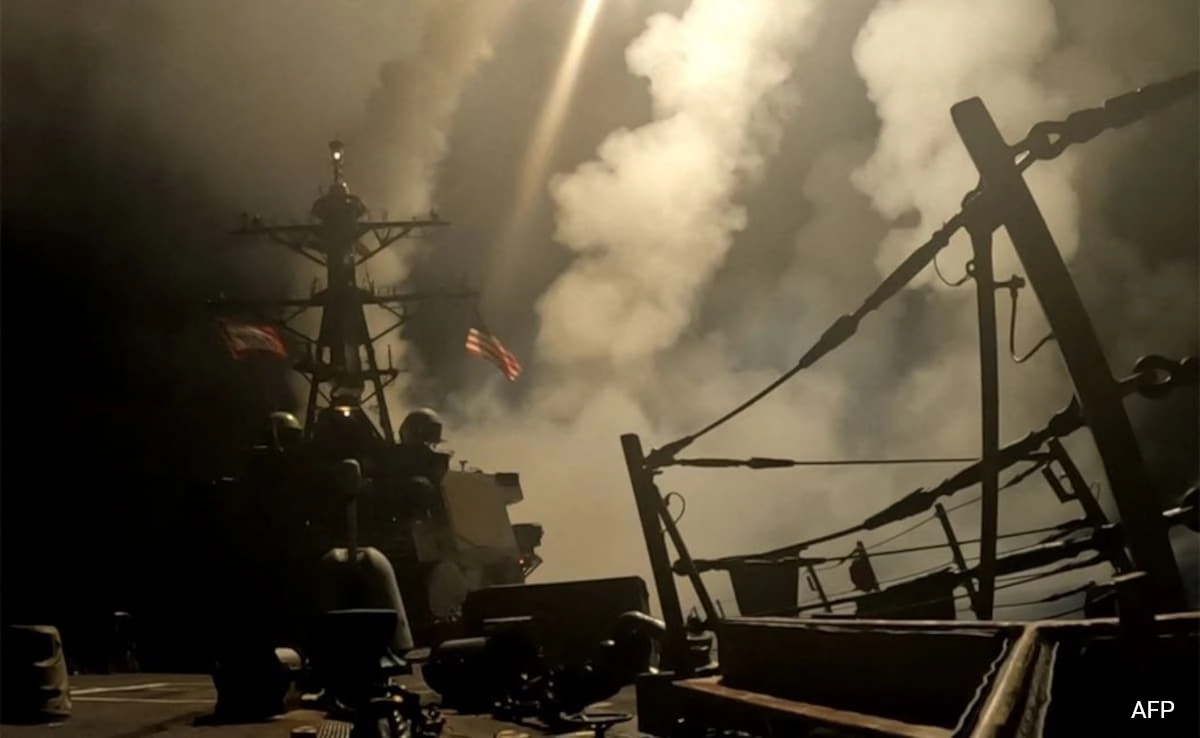
According to reports from Houthi officials, a recent series of airstrikes conducted by U.S. forces in the Yemeni capital of Sanaa has resulted in significant casualties. The strikes, which occurred in the early hours, have left at least 12 individuals dead and approximately 30 others injured. This incident underscores the ongoing conflict in Yemen, which has become a focal point of international attention and humanitarian concern. The Houthis, a group that has been engaged in a prolonged conflict with a coalition led by Saudi Arabia, have condemned the U.S. strikes, labeling them as an act of aggression against the Yemeni people.
The strikes are part of a broader military involvement by the United States in the region, which has been justified by Washington as necessary to combat terrorism and support regional allies. However, the impact on civilians has raised significant ethical and moral questions regarding the conduct of military operations in densely populated urban areas. Eyewitness accounts from Sanaa describe scenes of devastation, with emergency services struggling to provide aid to the injured amidst the chaos. The wounded include women and children, highlighting the indiscriminate nature of such military actions and the toll they take on innocent lives.
The situation in Yemen continues to deteriorate, exacerbated by years of conflict, famine, and disease. Humanitarian organizations have repeatedly warned that the nation is on the brink of a catastrophic crisis, with millions facing starvation and inadequate access to medical care. In light of the recent strikes, calls for a ceasefire and renewed diplomatic efforts have intensified, as stakeholders in the region seek to address the underlying issues that fuel the conflict. The international community remains divided on the best approach to peace in Yemen, with some advocating for increased military support for the Houthis while others push for negotiations that could lead to a lasting resolution.
As these events unfold, the response from the U.S. government and its allies will be closely monitored, with critics urging a reassessment of military strategies that disproportionately affect civilians. The ongoing violence and instability in Yemen serve as a stark reminder of the complex geopolitical landscape in the Middle East, where local conflicts can have far-reaching consequences. The tragic loss of life in Sanaa is not just a statistic; it reflects the human cost of war and the urgent need for a concerted effort towards peace and reconciliation in Yemen.