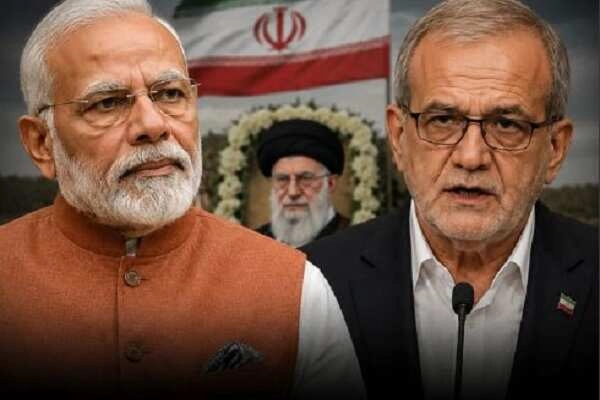
The final farewell of Iran’s Supreme Leader, Ayatollah Ali Khamenei, is set to be a significant event, and India will be represented by key officials. The Governor of Bihar and the Minister of State for External Affairs will participate in this momentous occasion. Khamenei, who has been a pivotal figure in Iranian politics and governance, has played an essential role in shaping the country’s foreign and domestic policies over the past several decades. His passing marks the end of an era not only in Iran but also across the geopolitical landscape of the Middle East.
The presence of Indian dignitaries at such a high-profile event signifies the importance of India-Iran relations. Historically, India has maintained a nuanced relationship with Iran, balancing its ties with various stakeholders in the region. The involvement of the Bihar Governor and the Minister of State for External Affairs indicates India’s intention to honor the legacy of Khamenei while also reinforcing diplomatic ties. This event could serve as a platform for discussing future collaborations and addressing mutual concerns between the two nations.
As Iran navigates this transition, it faces numerous challenges, including economic pressures and regional tensions. The future leadership will have significant implications for Iran’s relations with other countries, including India. Observers will be keenly watching how the new leadership approaches issues such as trade, energy partnerships, and regional security. The participation of Indian representatives in Khamenei’s final farewell may also open avenues for dialogue and strengthen bilateral cooperation in various sectors. Overall, this event is not just a farewell; it is an opportunity for reflection on the relationship between Iran and India and the potential paths ahead.