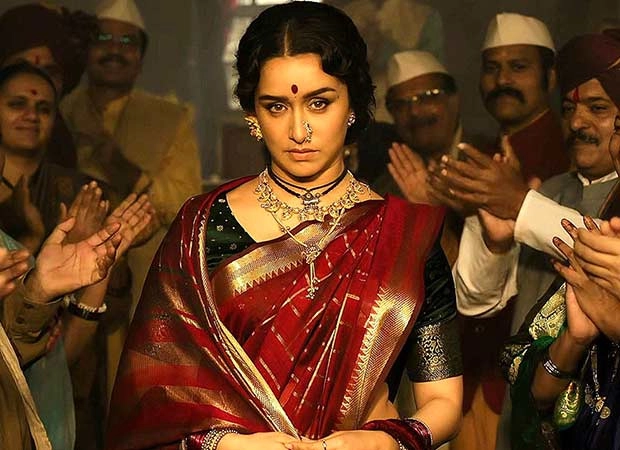
The recent announcement surrounding Shraddha Kapoor’s upcoming film titled “Eetha” has ignited a significant controversy regarding its name. The Nationalist Congress Party (NCP) and the family of late Vithabai Narayangaonkar, a revered figure in Marathi folk culture, have raised strong objections to the title. They argue that the film’s name may not only misrepresent the legacy of Narayangaonkar but also lead to misunderstandings about her contributions to the art form. This situation highlights the ongoing tensions between creative expression in the film industry and the preservation of cultural heritage, particularly when it comes to the representation of historical figures.
Shraddha Kapoor, a prominent actress in Indian cinema, is known for her versatility and dedication to her roles. However, this project has drawn unexpected scrutiny as various stakeholders express their concerns. The NCP’s involvement signifies the political dimensions that often intersect with the arts, especially in a culturally rich region like Maharashtra, where the legacy of folk artists is deeply cherished. The family of Vithabai Narayangaonkar is particularly vocal, insisting that the film’s narrative should honor her contributions and not dilute her identity or misinterpret her story.
As discussions continue, the production team behind “Eetha” may need to consider these objections seriously. The potential for a title change could not only address the concerns raised by Narayangaonkar’s family and the NCP but also enhance the film’s reception among audiences who value cultural integrity. This situation serves as a reminder of the responsibility filmmakers have in portraying real-life figures and stories, particularly those that hold significant cultural and emotional weight for communities. The resolution of this title controversy will be closely watched, as it could set a precedent for how similar disputes are handled in the future, balancing artistic freedom with respect for cultural heritage.