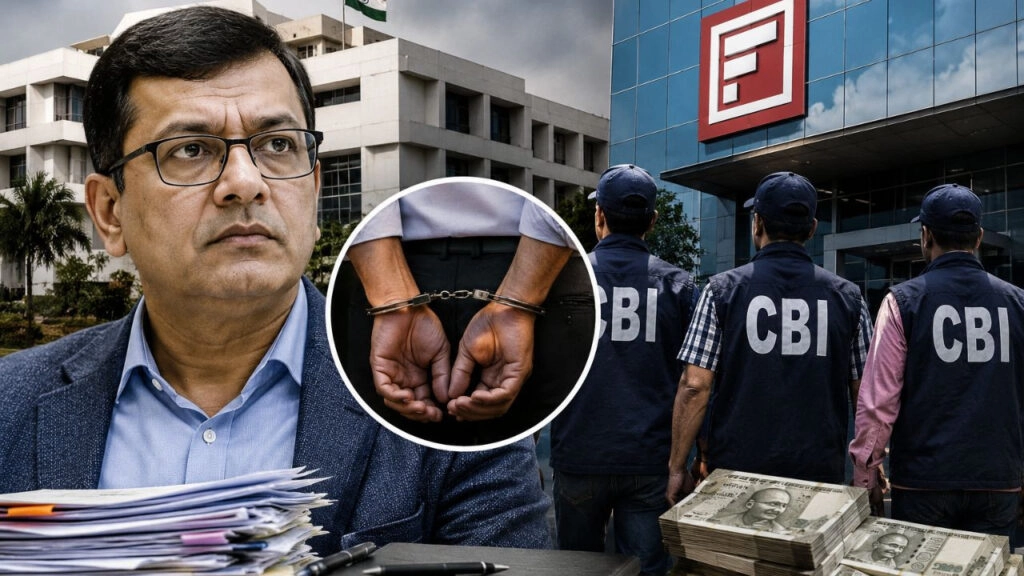
The government has taken significant steps in response to the IDFC Bank scam, which has been estimated to involve a staggering amount of 657 crore rupees. In a decisive move, IAS officer Pankaj Aggarwal has been suspended as part of the investigation into the allegations surrounding the financial misconduct. The scandal has raised serious concerns about the regulatory oversight and governance within financial institutions, prompting a thorough examination of the procedures and practices that may have allowed such an incident to occur.
The suspension of Pankaj Aggarwal, who held a crucial position within the relevant regulatory body, underscores the government’s commitment to accountability and transparency in financial matters. Authorities are now focused on uncovering the details of the scam, which is believed to have involved fraudulent activities leading to substantial losses for the bank and its stakeholders. The ramifications of this case extend beyond just the immediate financial implications; it also calls into question the integrity of the banking system and the efficacy of regulatory mechanisms designed to protect the interests of the public and investors.
In addition to the suspension, the government is likely to initiate a comprehensive inquiry into the matter, involving various investigative agencies to ensure that all aspects of the scam are thoroughly scrutinized. This investigation aims to hold accountable not only those directly involved in the wrongdoing but also any officials or institutions that may have failed to uphold their responsibilities. As the situation unfolds, it is essential for the government to restore public trust in the banking sector and reinforce the importance of ethical conduct among financial institutions and their management.
The IDFC Bank scam serves as a crucial reminder of the vulnerabilities within the financial sector and the importance of robust regulatory frameworks. Moving forward, it will be imperative for the government to implement reforms that enhance oversight and prevent similar incidents from occurring in the future. The actions taken in this case could set a precedent for how financial misconduct is addressed in India and may influence public perception of the banking sector’s integrity. As the investigation continues, stakeholders are closely watching for developments that could shape the future of banking regulations and governance in the country.