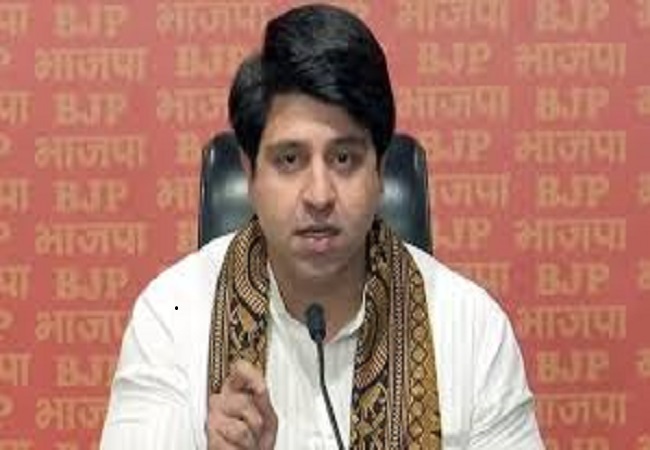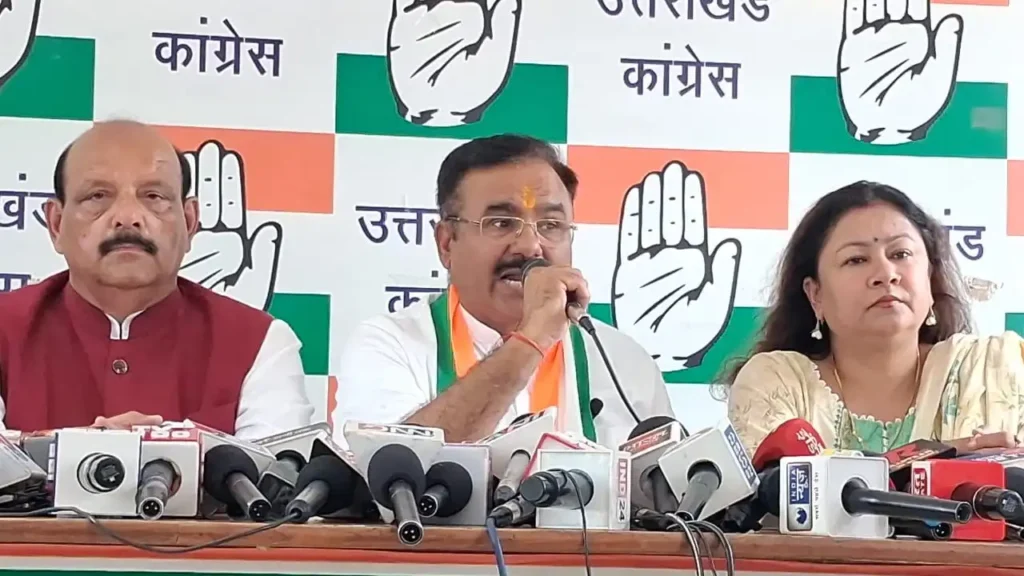
The Congress party has raised serious questions regarding the source of funding for the luxurious offices of the Bharatiya Janata Party (BJP) and the Rashtriya Swayamsevak Sangh (RSS). A spokesperson for the Congress party has launched a direct attack, demanding transparency about the financial resources that facilitated the construction of these opulent facilities. This inquiry is not merely a political maneuver but a call for accountability in the realm of political financing, an area that has often been shrouded in secrecy.
The spokesperson emphasized that the extravagant expenditures associated with the BJP-RSS offices raise significant concerns about the origins of such funds. They argue that in a democratic society, it is crucial for political parties to disclose their financial backers and the sources of their funding. This lack of transparency can lead to various forms of corruption and can undermine the integrity of the political system. Furthermore, it raises questions about the influence of money in politics and whether such financial power can skew the democratic process.
In recent years, the issue of political funding has gained prominence, with various parties being scrutinized for their financial dealings. The Congress spokesperson’s remarks are part of a broader discourse on the need for reform in political financing, advocating for stricter regulations to ensure that all parties operate under a framework of fairness and transparency. The demand for clarity regarding the BJP-RSS funding sources highlights a growing concern among the electorate about the potential for disproportionate influence by wealthy donors and corporations in shaping political agendas.
As the debate continues, it remains to be seen how the BJP and RSS will respond to these allegations. The Congress’s insistence on accountability reflects a larger trend in Indian politics, where voters are increasingly aware of the implications of unregulated political financing. This situation presents an opportunity for all political entities to engage in a dialogue about reforming funding practices, ensuring that democracy remains robust and representative of the people’s interests, rather than those of a select few.