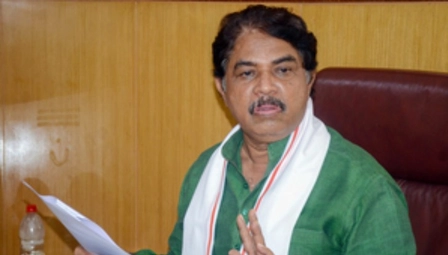
In Karnataka, the delay in forming the cabinet has led to significant criticism from the opposition, particularly directed towards Chief Minister D.K. Shivakumar. The opposition parties have accused the Congress of being embroiled in an internal power struggle, which has hindered the timely establishment of a functional government. This situation has raised concerns among the public and political analysts alike, as the absence of a fully constituted cabinet can lead to delays in governance and the implementation of key policies.
The opposition’s attack on Shivakumar highlights the growing dissatisfaction with the Congress party’s handling of the situation. As the state’s political landscape remains tense, the inability to finalize a cabinet lineup is seen as a failure of leadership. Critics argue that the infighting within the party is taking precedence over the urgent needs of the citizens, who expect their elected representatives to prioritize governance over personal ambitions.
Moreover, the delay in cabinet formation could have implications for various ongoing projects and initiatives that require immediate attention. Without a complete team of ministers, the administration’s effectiveness is compromised, potentially impacting critical services and development programs. The opposition has seized this opportunity to question the Congress’s ability to govern and fulfill its electoral promises, calling for accountability and swift action to resolve the internal conflicts that have led to this stalemate.
As the situation unfolds, the people of Karnataka are watching closely to see how the Congress party addresses these challenges. The pressure is mounting on D.K. Shivakumar to navigate the complexities within his party and establish a cohesive cabinet that can effectively govern the state. The coming days will be crucial in determining whether the Congress can overcome its internal divisions and focus on the responsibilities entrusted to them by the electorate.