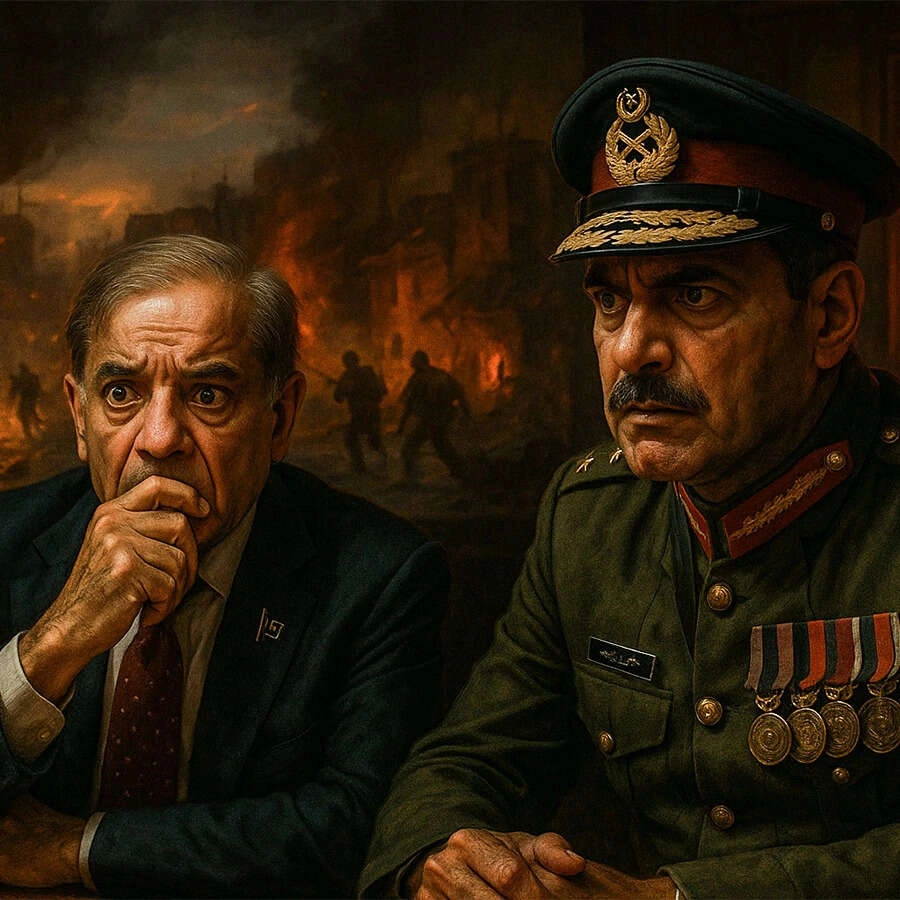
In recent developments, a significant uprising has emerged against Munir’s army in Pakistan-occupied Kashmir (PoK), raising alarm bells within the Pakistani government. The situation escalated when a group of local activists issued a 24-hour ultimatum to the army, demanding an end to military oppression and a restoration of autonomy for the region. This unexpected rebellion highlights the growing discontent among the populace regarding the heavy-handed approach of the military, which has long been a dominant force in PoK.
The ultimatum has not only garnered attention from local communities but also from international observers who are closely monitoring the situation. The activists have alleged that the military’s presence has stifled dissent and hindered political progress in the region. They demand that the voices of the local people be heard and that they be allowed to participate in decisions that affect their lives. This situation poses a challenge for the Pakistani authorities, who are already grappling with various internal issues, including economic instability and rising militancy.
As the deadline approaches, the Pakistani government is increasingly anxious about the potential ramifications of this uprising. Any violent crackdown on the protesters could lead to widespread unrest, further complicating Pakistan’s already volatile political landscape. The international community’s response to such actions could also have significant implications for Pakistan’s standing on the global stage. The situation in PoK serves as a reminder of the underlying tensions in the region and the urgent need for dialogue and reconciliation to address the grievances of the local population.