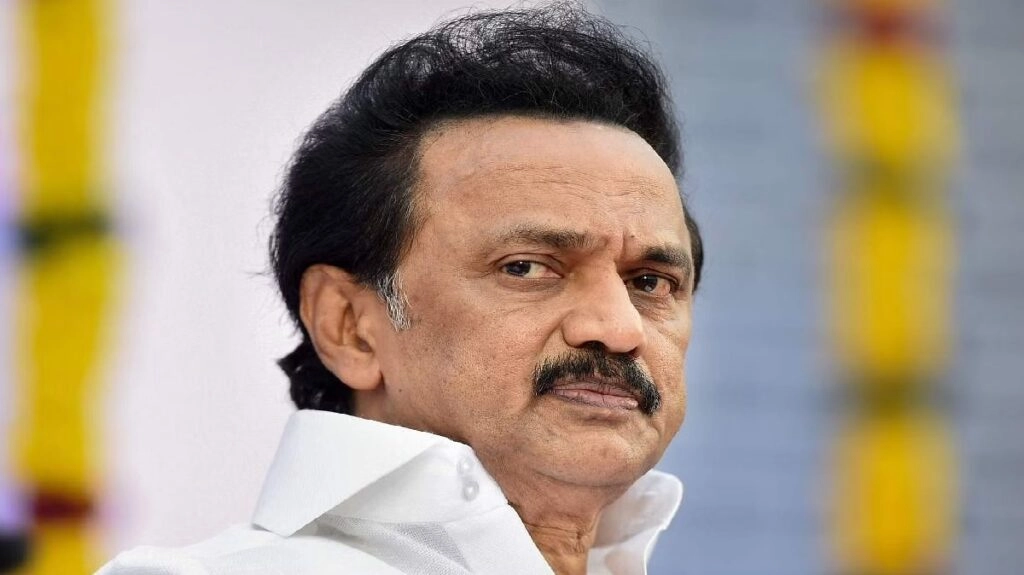
The Indian Union Muslim League (IUML) has recently severed its ties with the Dravida Munnetra Kazhagam (DMK), marking another significant challenge for the DMK as it navigates its relationship with the Modi government. The IUML’s decision to distance itself from Stalin’s party is seen as a pivotal moment, particularly in the context of the political dynamics in Tamil Nadu and the broader Indian political landscape. This development not only underscores the shifting alliances within regional politics but also highlights the complexities that the DMK faces as it attempts to maintain its influence while engaging with the BJP-led government at the center.
The breakup between the IUML and DMK could have far-reaching implications for both parties. For the DMK, which has historically positioned itself as a key player in opposing the BJP, this rift complicates its strategy as it seeks to balance its regional aspirations with national ambitions. The IUML, on the other hand, is likely to reassess its political strategies in light of this separation, potentially seeking new alliances that align more closely with its ideological stance. This shift may also reflect broader sentiments among Muslim voters in Tamil Nadu, who could be reevaluating their political affiliations in response to changing circumstances.
As the political landscape evolves, the implications of this separation will be closely monitored by analysts and party members alike. The DMK’s efforts to support the Modi government may be further impeded by this new development, as it grapples with the repercussions of losing a significant ally. With elections on the horizon, the party must navigate these challenges carefully to retain its electoral base and maintain its relevance in Tamil Nadu politics. The IUML’s decision serves as a reminder of the fluid nature of political alliances in India, where parties often shift their positions in response to emerging political realities.