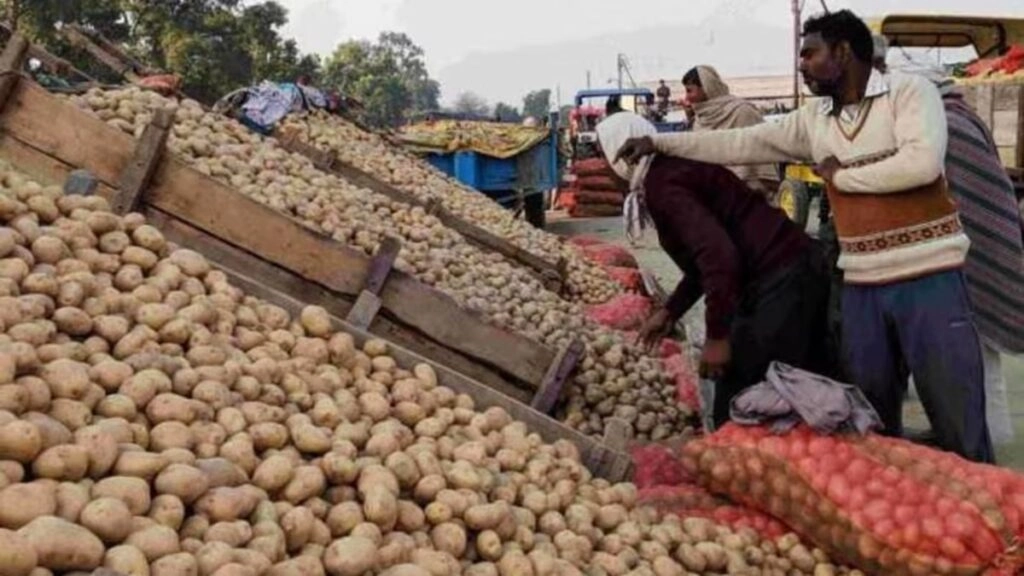
Potato farmers are currently grappling with significant challenges in the marketplace, making it increasingly difficult for them to recover the costs associated with selling their crops. The situation has become dire as prices for potatoes have plummeted, leaving farmers struggling to make ends meet. This downturn in the market can be attributed to various factors, including fluctuating demand, oversupply, and competition from alternative sources. As a result, many farmers find themselves in a precarious financial situation, unable to cover their production costs, which include seeds, fertilizers, labor, and transportation.
The impact of this market shock is profound, affecting not only the farmers themselves but also the wider agricultural community and local economies that rely on potato production. With lower profit margins, farmers are forced to make difficult decisions regarding their operations. Many are considering reducing their planting areas or even exiting the potato market altogether, which could lead to a further decline in supply and potentially exacerbate the issue in the long term. Additionally, the emotional toll on these farmers cannot be underestimated, as they face uncertainty about their livelihoods and the future of their farms.
In light of these challenges, it is crucial for stakeholders, including government agencies, agricultural organizations, and consumers, to come together to support potato farmers. Initiatives could include providing financial assistance, facilitating access to new markets, and promoting potato consumption to stabilize prices. By working collaboratively, it may be possible to create a more sustainable framework that not only aids farmers in recovering their losses but also strengthens the agricultural sector as a whole. Ultimately, the resilience of potato farmers is vital for ensuring food security and maintaining the integrity of local farming communities.