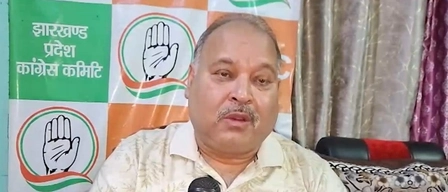
Rakesh Sinha has expressed concerns regarding the Bharatiya Janata Party’s (BJP) strategy towards regional parties in India. According to him, the BJP aims to marginalize these regional entities while simultaneously attempting to form alliances with them. Sinha argues that the BJP’s approach is not merely about building coalitions but is fundamentally aimed at weakening these regional parties to consolidate its own power on a national scale. He highlights the importance of regional parties in Indian democracy, as they often represent the unique aspirations and needs of various local populations.
Sinha believes that the BJP’s tactics could potentially undermine the diverse political landscape of India. By seeking to co-opt regional parties, the BJP may diminish their influence, thereby reducing the representation of local voices in the national conversation. This strategy, he suggests, could lead to a significant shift in the political dynamics of the country, where the central narrative becomes overwhelmingly dominated by the BJP, sidelining regional issues and concerns.
Moreover, Sinha warns that if this trend continues unchecked, it could threaten the very essence of federalism in India. The power dynamics between the central government and the states could become increasingly lopsided, with regional parties losing their relevance. This could have long-term implications for governance, as policies may not adequately reflect the diverse needs of different regions. In conclusion, Sinha’s remarks serve as a reminder of the delicate balance that needs to be maintained in Indian politics, where both national and regional interests must coexist for a healthy democracy.