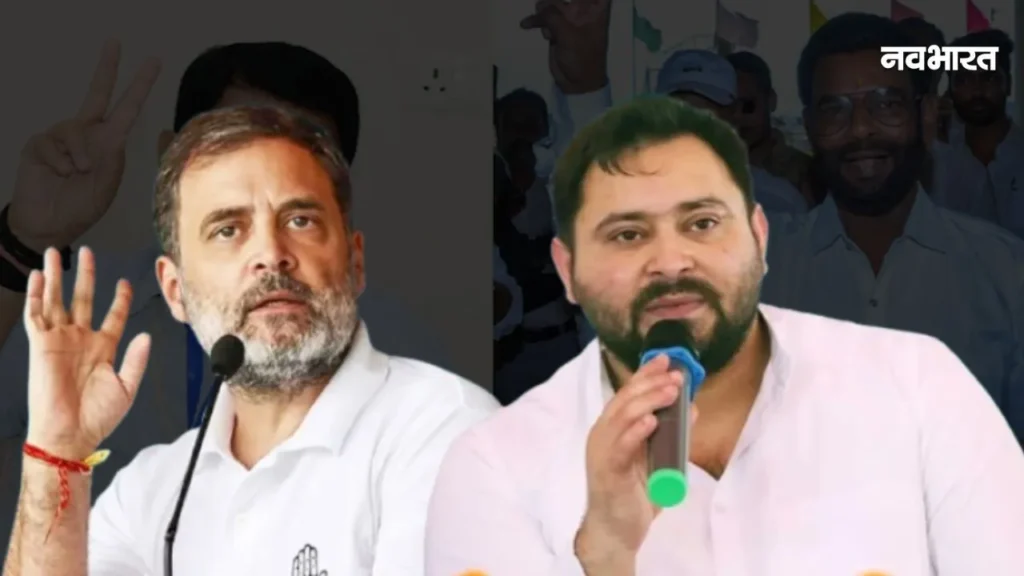
In the recent Rajya Sabha elections in Jharkhand, Tejashwi Yadav, the leader of the Rashtriya Janata Dal (RJD), orchestrated a strategic play that significantly impacted the Congress party’s standing in the region. The backdrop of this political maneuvering reveals a complex web of alliances and rivalries that shaped the electoral landscape. Tejashwi’s actions can be seen as a response to perceived betrayals and shifting loyalties within the political arena, particularly following the Congress’s past dealings with the RJD and other regional parties.
As the elections approached, Tejashwi recognized an opportunity to undermine Congress’s influence in Jharkhand. By aligning with local factions and leveraging the discontent among certain voter bases, he sought to consolidate his party’s position while simultaneously diminishing the Congress’s chances of securing seats. This move was not merely about winning votes; it was also a calculated attempt to send a message about the importance of loyalty and unity among opposition parties against the ruling establishment.
The internal dynamics within the Congress party played a crucial role in this electoral drama. Fractures in the party, marked by dissent and lack of cohesion, made it easier for Tejashwi to exploit their weaknesses. He capitalized on the disillusionment of voters and party workers alike, presenting himself as a viable alternative to the traditional political order. This strategy not only aimed at gaining immediate electoral benefits but also sought to establish the RJD as a dominant force in the regional politics of Jharkhand.
Ultimately, Tejashwi’s revenge against Congress was not just a personal vendetta but a broader strategy to reshape the political landscape in Jharkhand. By playing on the existing tensions and fractures within the Congress, he sought to carve out a new narrative that positions the RJD as a key player in the state’s future. This unfolding story reflects the intricate nature of political alliances and the ever-shifting loyalties that define the Indian political scene, especially in a state as politically charged as Jharkhand.