The Left political parties have launched a scathing critique of the United Democratic Front (UDF) in response to the Congress party’s stance on the Prime Minister’s Housing Scheme (PM SHRI). They accuse the UDF of colluding with the Bharatiya Janata Party (BJP) to undermine the interests of the state. The Left contends that the UDF’s alignment with the BJP on this program is driven by political expediency rather than a genuine commitment to improving housing conditions for the populace. This collaboration, they argue, not only compromises the integrity of local governance but also reflects a broader trend of opportunism in politics, where parties prioritize their alliances over the welfare of the people.
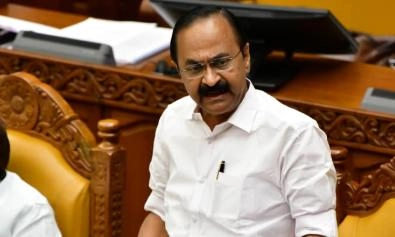
In defense of the state government’s position on the PM SHRI, Congress leader Satheesan emphasized the necessity of the scheme to address the housing deficit in the region. He argued that the government’s focus should be on implementing effective housing policies rather than engaging in partisan politics. Satheesan’s remarks suggest that the Congress party is committed to ensuring that the benefits of such programs reach those most in need, contrasting sharply with the Left’s accusations of collusion with the BJP. The UDF’s approach, as articulated by Satheesan, is framed as a pragmatic response to a pressing social issue, rather than a mere political maneuver.
The ongoing debate highlights the complexities of political alliances and the often-blurred lines between collaboration and opposition in contemporary governance. The Left’s allegations of a “Congress-BJP deal” suggest a deep-seated frustration with what they perceive as a betrayal of regional interests for national political gains. As both sides continue to articulate their positions, the implications for local housing policies and the broader political landscape remain uncertain. The contention surrounding the PM SHRI scheme serves as a microcosm of the larger ideological battles playing out in the state, where issues of governance, accountability, and the role of political parties in serving public interests are increasingly under scrutiny.