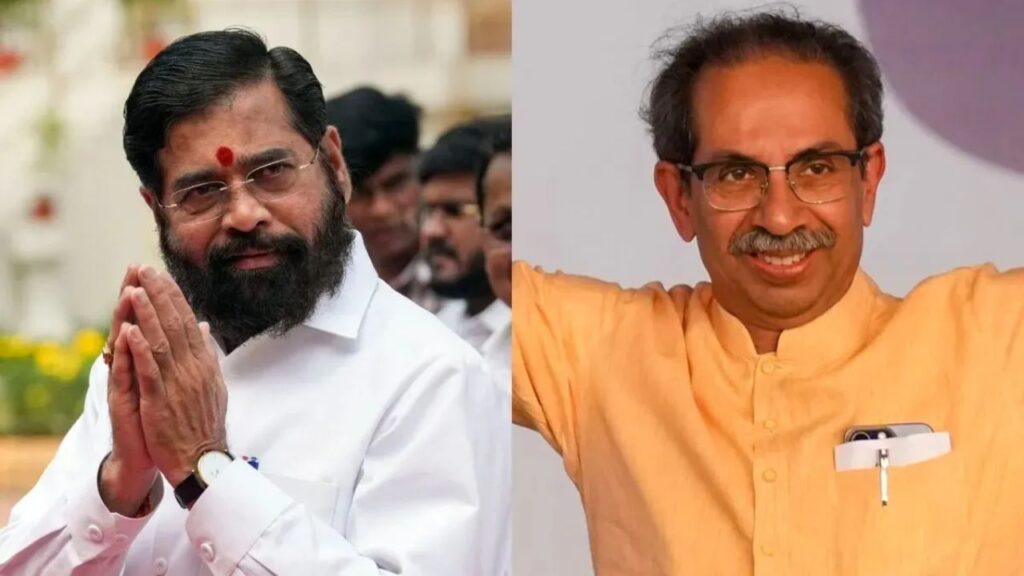
The political landscape in Maharashtra is witnessing renewed turmoil as rumors of a potential split within the Shiv Sena party circulate. This unrest comes in the wake of what is being referred to as ‘Operation Tiger,’ a strategic initiative that has raised significant questions about the loyalty of Members of Parliament (MPs) affiliated with the Shiv Sena. The party, historically known for its strong regional identity and leadership under the late Bal Thackeray, seems to be facing internal fractures that could redefine its influence in Maharashtra’s politics.
‘Operation Tiger’ reportedly involves efforts to consolidate power and rally support among Shiv Sena MPs, particularly in light of recent electoral challenges and shifts in alliance dynamics. The increasing tension stems from differing factions within the party, with some members advocating for a more aggressive political stance while others prefer a more moderate approach. This divergence in strategy has led to speculation about potential defections and the future cohesion of the party, which has already experienced significant turbulence following the 2019 assembly elections.
As the situation unfolds, party leaders are under immense pressure to address the concerns of their constituents and maintain party unity. Observers are closely monitoring the reactions of key figures within the party, as well as how the broader political environment in Maharashtra might influence their decisions. The implications of ‘Operation Tiger’ could extend beyond the Shiv Sena, potentially affecting alliances with other parties and reshaping the overall political landscape in the state. With the 2024 elections on the horizon, how the Shiv Sena navigates these internal challenges will be crucial to its survival and relevance in Maharashtra’s evolving political arena.