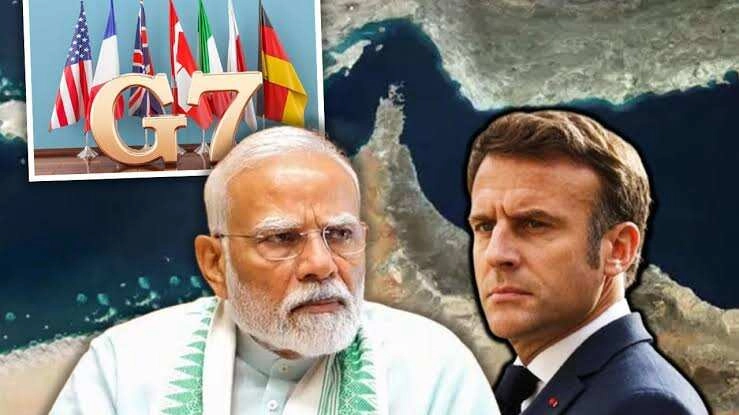
Did you know that India is not a member of the G7 yet receives an invitation every year to participate in its meetings? This intriguing situation has significant strategic implications. The G7, which includes Canada, France, Germany, Italy, Japan, the United Kingdom, and the United States, primarily consists of advanced economies. However, India, as one of the largest and fastest-growing economies in the world, has become a vital partner for these nations.
One of the main reasons behind India’s annual invitations is its growing geopolitical importance. As the global landscape shifts, especially in response to China’s rise, the G7 countries recognize the need to engage with India to maintain a balance of power in the region. India’s strategic location and its large market make it an essential ally in various global issues, including trade, security, and climate change. The G7 nations seek to strengthen their ties with India to foster collaboration on these pressing challenges.
Additionally, India’s participation in G7 meetings allows for a platform to discuss critical global issues, ranging from economic recovery post-pandemic to climate action and sustainable development. The G7 nations benefit from India’s perspectives and experiences, particularly in areas like technology and innovation. By inviting India, the G7 can enhance its discussions with insights from one of the world’s largest democracies, making their deliberations more inclusive and representative of emerging economies.
In summary, India’s invitation to the G7 meetings despite not being a member underscores its significance on the world stage. The strategic partnership between India and the G7 countries reflects a broader understanding of the need for cooperation in addressing global challenges. As the international order evolves, India’s role is likely to become even more pivotal, further solidifying its place in global dialogues.