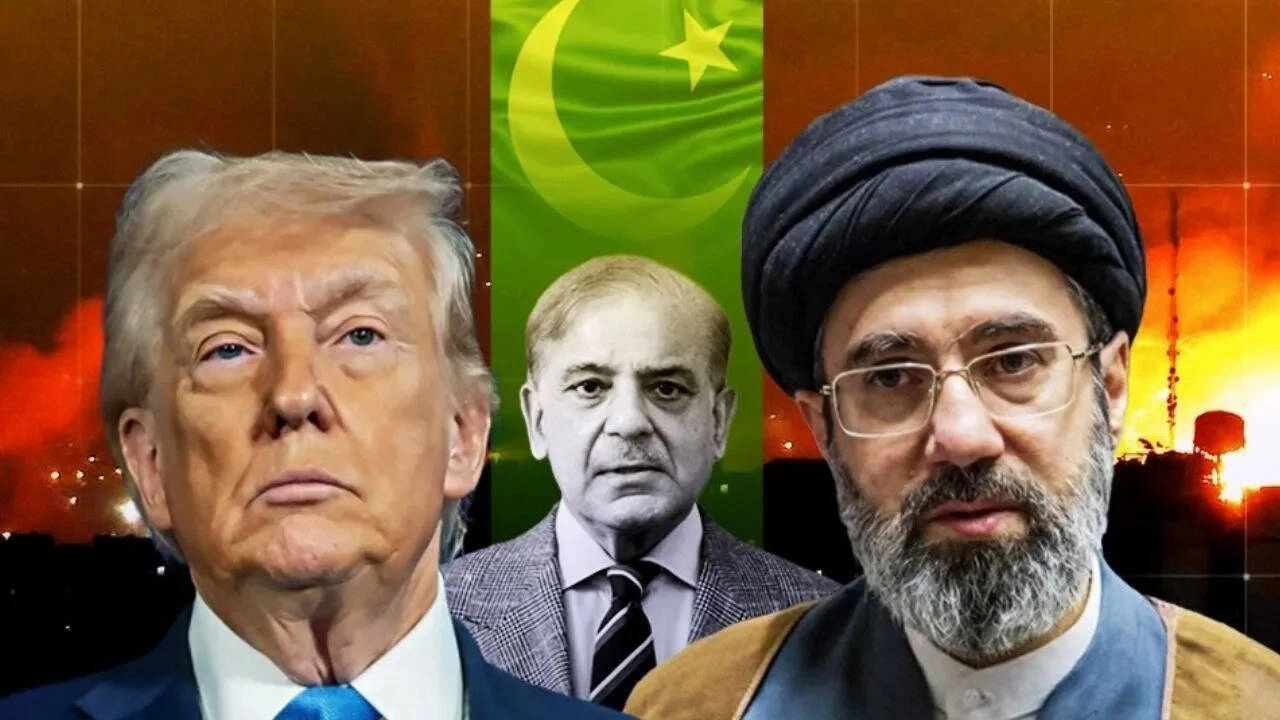
Israel has made a significant statement regarding the ongoing tensions in the Middle East, particularly in relation to the peace agreement between the United States and Iran. In a recent video announcement, Israeli officials rejected the notion of a peace deal that would involve concessions or compromises detrimental to their national security. The statement underscores Israel’s firm stance on maintaining its security zones and its military presence in regions it deems critical for its protection.
The rejection of the U.S.-Iran peace agreement reflects Israel’s apprehensions about the implications such a deal might have on regional stability and its own security interests. Israeli leaders are concerned that any agreement that does not address Iran’s nuclear ambitions and its support for militant groups could exacerbate tensions rather than resolve them. The video further emphasized that Israel would not withdraw its military forces from strategic areas, as doing so would compromise its ability to respond to potential threats.
This development highlights the complexities of Middle Eastern geopolitics, where alliances and enmities shape the landscape of international relations. Israel’s position serves as a reminder of its historical challenges with neighboring countries and its ongoing struggles to ensure its security amidst a volatile environment. The situation calls for careful diplomatic engagement, as any miscalculation could lead to escalated conflicts. Israel’s steadfast refusal to alter its military stance indicates a broader commitment to safeguarding its interests, even in the face of international pressures for peace.