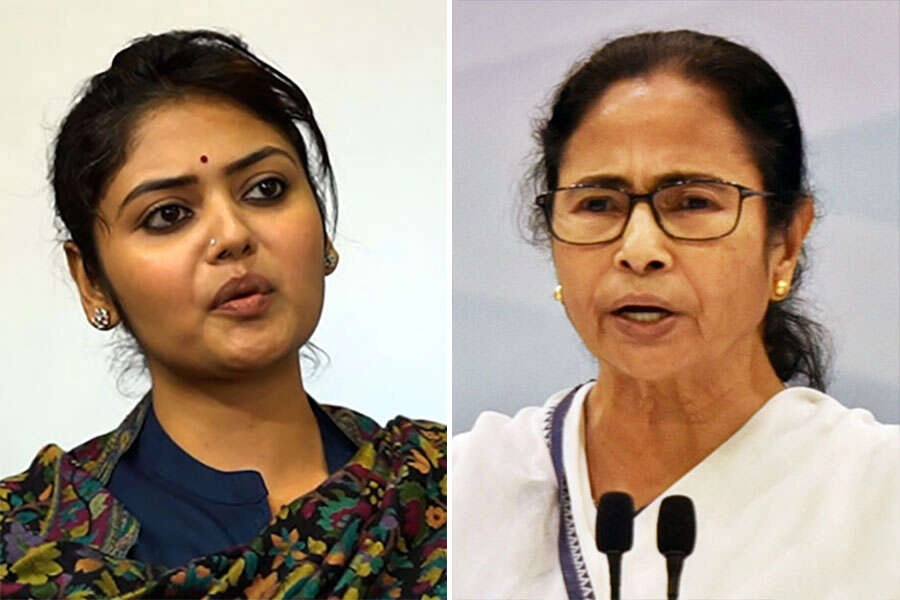
West Bengal Chief Minister Mamata Banerjee has faced a significant setback as yet another prominent leader has parted ways with the Trinamool Congress (TMC). Sayani Ghosh, who was once a vocal supporter and a rising star within the party, has announced her departure, adding to the growing list of leaders who have distanced themselves from the TMC. This development comes at a crucial time when the party is already grappling with internal strife and electoral challenges. The exit of such a notable member raises questions about the party’s stability and its ability to maintain unity among its ranks.
Sayani Ghosh’s decision to leave the TMC is seen as a reflection of the increasing dissent within the party. Many observers believe that the party is crumbling like a house of cards, with various factions emerging and leaders expressing their discontent over the current leadership. Ghosh’s departure signifies a shift in the political landscape of West Bengal, as she has been an influential voice among the youth and a key figure in the party’s outreach efforts. Her exit could potentially influence other leaders and party workers to reconsider their allegiance, further jeopardizing Mamata Banerjee’s position.
The implications of this split are profound. The TMC, which has dominated West Bengal politics for over a decade, now faces the challenge of re-establishing its credibility and cohesion. With upcoming elections on the horizon, the party must address the underlying issues that have led to such defections. Mamata Banerjee’s leadership will be put to the test as she navigates through this turbulent phase, attempting to retain the trust of her party members and the electorate at large. The political dynamics in the state are evolving, and how the TMC responds to these challenges will be crucial in determining its future.