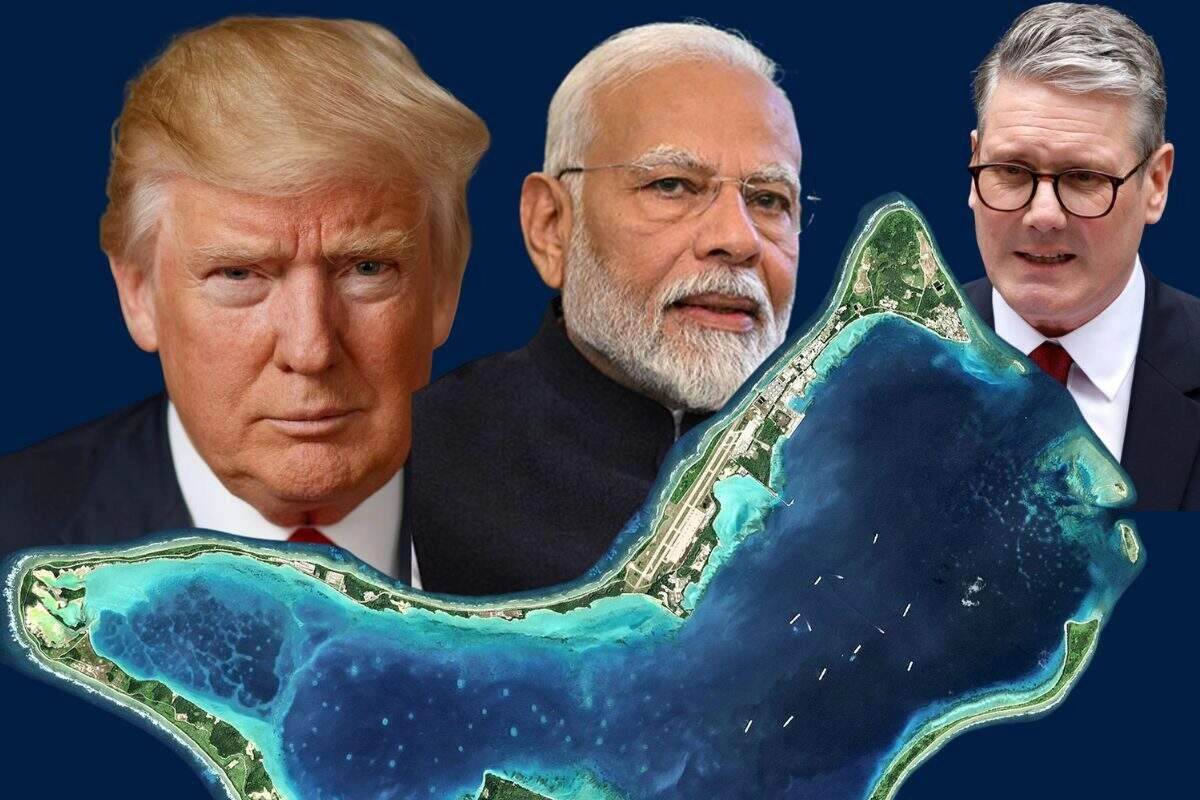
The United States has recently shown heightened interest in an island located near India, which raises questions about its strategic motives in the Indian Ocean region. The geopolitical landscape of the Indian Ocean is increasingly becoming a focal point for global powers, particularly as they seek to enhance their influence over vital trade routes and regional security. The island in question, while not explicitly named, is significant due to its proximity to India and its potential role in the broader context of U.S.-India relations.
Former President Donald Trump’s administration had previously emphasized the importance of countering China’s growing influence in the Indo-Pacific area. This strategy involved strengthening alliances with nations like India, which is viewed as a key partner in maintaining a balance of power in the region. The U.S. has been keen on establishing a stronger presence in the Indian Ocean, where it can monitor maritime activities and safeguard its interests against potential threats posed by rival nations.
Moreover, the strategic significance of the Indian Ocean cannot be overstated. It serves as a crucial corridor for international shipping, energy transportation, and military operations. The U.S. aims to ensure freedom of navigation in these waters while fostering partnerships with countries surrounding the ocean. As such, the focus on the island adjacent to India could be seen as part of a larger strategy to consolidate U.S. influence in this vital maritime domain.
In conclusion, the interest of the U.S. in the island near India reflects a broader geopolitical strategy that prioritizes regional stability, economic interests, and countering adversarial influences. The evolving dynamics in the Indian Ocean will likely shape international relations in the coming years, making it essential for all involved nations to navigate these waters carefully. As global powers adjust their strategies, the implications for India and its neighbors will be significant, warranting close attention from policymakers and analysts alike.