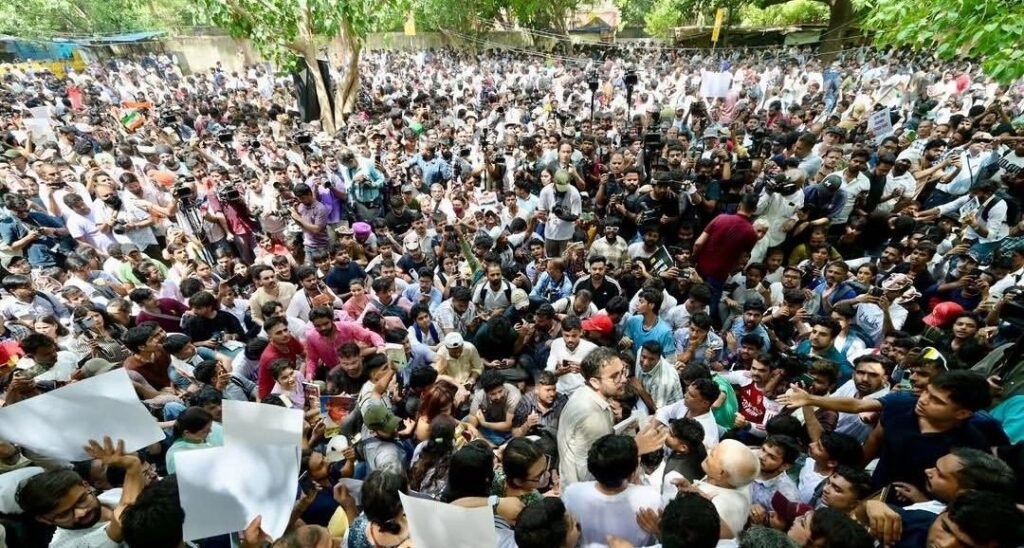
The recent “Cockroach Party” protest, organized by supporters of Chief Justice of Pakistan (CJP), has captured significant attention due to its unusual name and the fervent demands of its participants. The protest, which took place in various cities across Pakistan, was primarily aimed at expressing dissatisfaction with the current political climate and the perceived injustices faced by the judiciary. Supporters of the CJP came together under the banner of the “Cockroach Party,” a term that symbolizes their feelings of being marginalized and overlooked in the ongoing political discourse. The protestors voiced their concerns about the erosion of judicial independence and the challenges that the judiciary faces from political entities.
In a statement made during the protest, a prominent figure named Dipke highlighted the key demands of the supporters. He emphasized the need for the government to respect the autonomy of the judiciary and to refrain from interfering in judicial matters. Dipke articulated a vision for a Pakistan where justice is not only served but is also seen to be served fairly without external pressures. He pointed out that the judiciary plays a crucial role in upholding democracy and ensuring that citizens’ rights are protected. Furthermore, he called for a return to the rule of law, asserting that without a functioning and independent judiciary, the democratic fabric of the nation would be at risk.
The “Cockroach Party” protest also served as a platform for raising awareness about the challenges faced by legal professionals and the judiciary itself. Supporters carried placards and chanted slogans that reflected their grievances and aspirations for a more just society. They argued that the current political turmoil has overshadowed the crucial role that the judiciary must play in maintaining order and fairness in governance. The protest was not merely about the support for the CJP but also a broader call for accountability and respect for democratic institutions in Pakistan.
Overall, the “Cockroach Party” protest is a reflection of the deep-seated frustrations among segments of the population regarding the political landscape and the judiciary’s position within it. The supporters, through their actions and demands, are seeking to reclaim their voice and ensure that the principles of justice and democracy are upheld in the face of overwhelming challenges. As they continue to rally for their cause, the implications of their movement could resonate beyond the immediate context, potentially influencing future political and judicial developments in Pakistan.