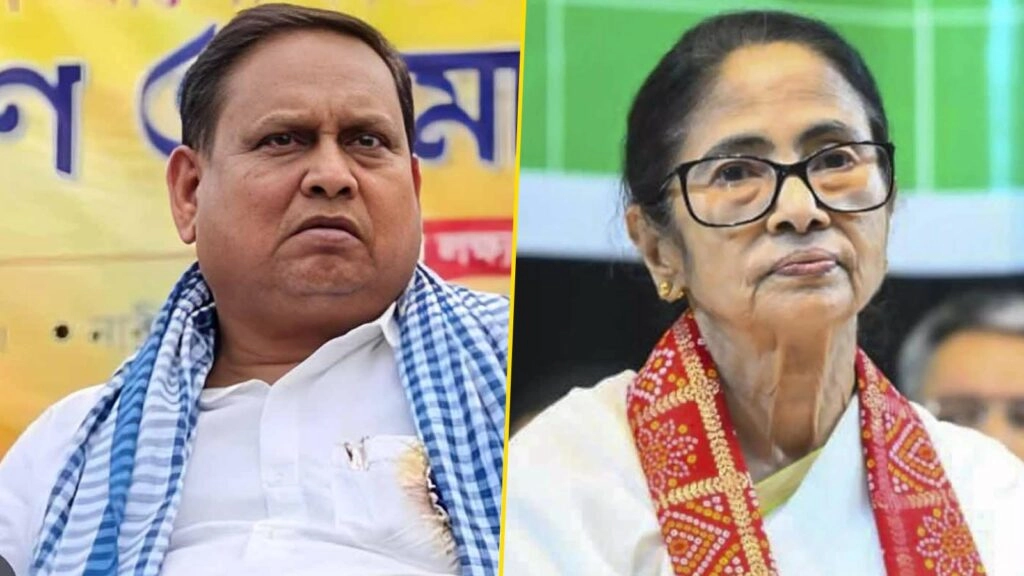
In a surprising turn of events, Humayun Kabir, a former ally turned adversary of West Bengal Chief Minister Mamata Banerjee, has extended an unexpected gesture by offering her his own seat in the Assembly. This move comes amidst a backdrop of political rivalry and shifting alliances within the state’s political landscape. Kabir’s offer seems to be motivated by a desire to demonstrate a form of political reconciliation or perhaps to leverage his own position by showcasing his influence and willingness to make bold moves.
The relationship between Kabir and Banerjee has been tumultuous, marked by an initial camaraderie that has since soured into competition. His decision to offer his seat is not only a significant personal gesture but also a strategic political maneuver that could reshape the dynamics of the upcoming elections. Kabir appears to be capitalizing on the moment, possibly aiming to polarize voters or draw attention to his own political platform by aligning himself with Banerjee, albeit in a complex way.
This development raises questions about the future of their political rivalry and the broader implications for West Bengal’s political climate. As elections approach, Kabir’s offer could signal a shift in voter sentiment or an attempt to garner support from Banerjee’s base while still maintaining his own political identity. The gesture has sparked discussions among political analysts about the potential for alliances that may emerge from unexpected circumstances, as well as the volatility of political loyalties in the region.
As both leaders navigate this evolving political landscape, the ramifications of Kabir’s offer could be profound, influencing not only their respective political fortunes but also the broader narrative of governance and leadership in West Bengal. The interplay of friendship and rivalry in politics often leads to unpredictable outcomes, and this latest chapter in their relationship is a testament to that reality.