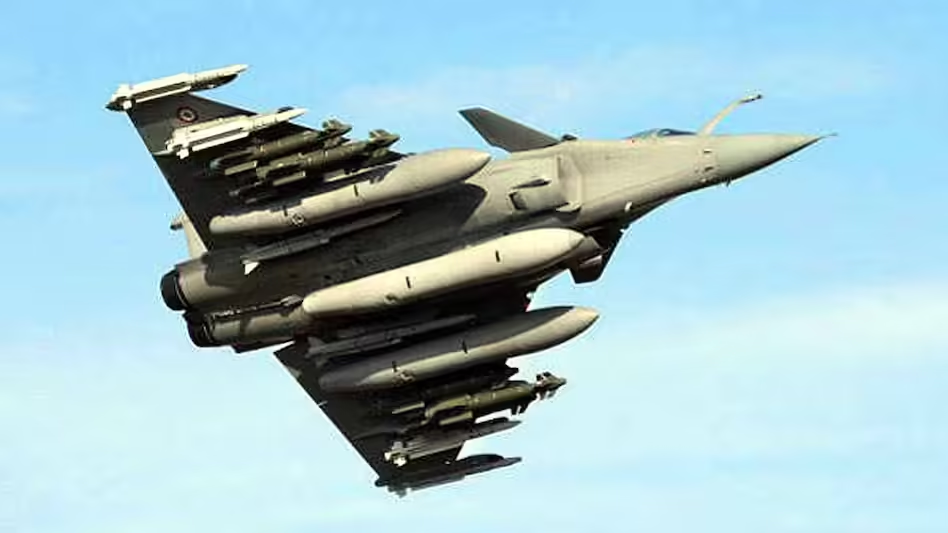
Pakistan is currently engaged in a defense deal with China, focusing on the acquisition of J-10C fighter jets as it seeks to bolster its military capabilities, particularly in light of regional tensions and its ongoing rivalry with India. The J-10C is a modern multirole combat aircraft, often compared to India’s Rafale jets, which have been a significant addition to the Indian Air Force. Pakistan’s interest in the J-10C reflects its strategic intent to enhance its aerial combat capabilities and maintain a balance of power in South Asia.
However, this ambitious plan is facing hurdles primarily due to financial constraints. The procurement of advanced fighter jets, like the J-10C, requires substantial investment, and Pakistan’s economy has been under significant strain. The country’s fiscal challenges have raised concerns about its ability to finance the deal, potentially delaying the acquisition process. This situation highlights the broader issues of defense spending in Pakistan and the impact of economic stability on military modernization efforts.
As Pakistan strives to finalize the deal, the implications of this acquisition extend beyond just military hardware. The J-10C could enhance Pakistan’s deterrence capabilities against India, especially considering the latter’s recent military upgrades, including the induction of Rafale jets. The defense dynamics in the region are continually evolving, and Pakistan’s pursuit of advanced technology like the J-10C signifies its commitment to maintaining a formidable defense posture. However, the financial limitations may necessitate a reevaluation of priorities within Pakistan’s defense strategy, potentially affecting its overall military preparedness and strategic objectives.