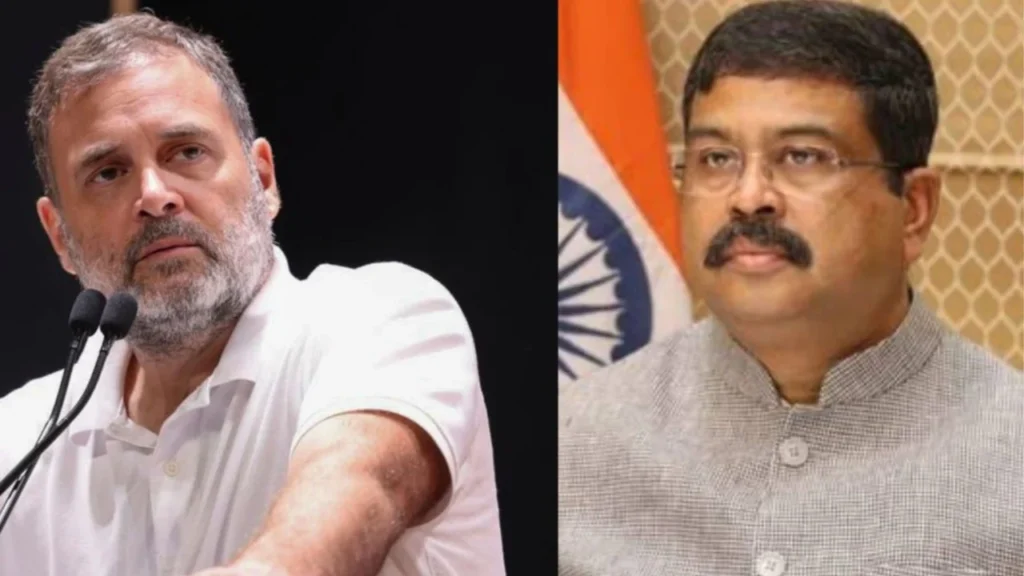
The ongoing controversy surrounding the Central Board of Secondary Education (CBSE) and the Online School Management (OSM) system has ignited significant political tensions in India. Prominent political figures, including Rahul Gandhi and Arvind Kejriwal, have vocally criticized the situation, calling for the resignation of Education Minister Dharmendra Pradhan. The OSM system, which aims to streamline administrative processes and enhance the management of educational institutions, has come under fire for alleged inefficiencies and mismanagement.
Rahul Gandhi, a key leader of the Indian National Congress, has accused the government of neglecting the educational sector and failing to address the pressing issues faced by students and teachers alike. He argues that the lack of transparency and accountability in the implementation of the OSM system has led to widespread confusion and frustration among educational stakeholders. Kejriwal, the Chief Minister of Delhi and leader of the Aam Aadmi Party, has echoed these sentiments, emphasizing the need for competent leadership in the education ministry to ensure that students receive the quality education they deserve.
The controversy has not only sparked debates within the political arena but has also drawn the attention of parents, educators, and students who are directly affected by the policies implemented by the CBSE. Many are demanding a thorough review of the OSM system and seeking assurances that it will be improved to better serve the educational community. The clamor for Pradhan’s resignation reflects a broader discontent with the government’s approach to education, which critics argue has prioritized bureaucratic processes over the needs of learners and educators.
As the political discourse intensifies, the future of the CBSE and its OSM initiative hangs in the balance. The calls for accountability are likely to continue as various stakeholders push for reforms that prioritize educational quality and accessibility. The situation serves as a reminder of the critical role that effective governance plays in shaping the educational landscape, and how political accountability is essential for fostering a system that meets the needs of all students in the country.