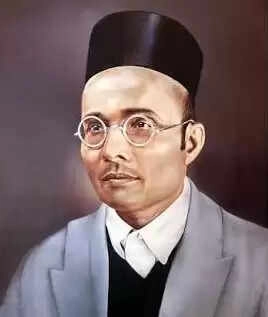
Veer Savarkar, born on May 28, is a pivotal figure in Indian history, revered as a great revolutionary and a staunch nationalist thinker. His life story is a testament to his unwavering commitment to India’s freedom struggle against British colonial rule. Savarkar’s early years were marked by a fervent desire to see India liberated from foreign domination. He was a key member of the revolutionary movement and played a significant role in organizing activities that aimed to overthrow British authority.
Savarkar’s revolutionary spirit was evident from his youth, as he was deeply influenced by the ideals of liberty and justice. His writings and actions inspired many young Indians to join the fight for independence. However, his journey was not without hardship. He faced severe repression from the British government, which led to his arrest and subsequent imprisonment for a substantial part of his life. Despite the harsh conditions he endured, Savarkar remained resolute in his beliefs, using his time in prison to articulate his vision for a free and united India.
As a thinker, Savarkar’s contributions extended beyond mere activism. He was a prolific writer and philosopher who introduced concepts of Hindutva, advocating for a Hindu identity that emphasized cultural nationalism. His ideas sparked significant debate and have had a lasting impact on Indian politics and society. While his views have been both celebrated and contested, there is no denying his role in shaping the narrative of nationalism in India.
Savarkar’s legacy is complex; he is viewed as a hero by many for his commitment to the cause of independence, while others criticize his ideology. Nonetheless, his life symbolizes the struggles and aspirations of a generation that fought tirelessly for India’s sovereignty. On his birth anniversary, it is essential to reflect on his contributions and the broader context of the freedom movement he was part of, as they continue to resonate in contemporary discussions about national identity and heritage.