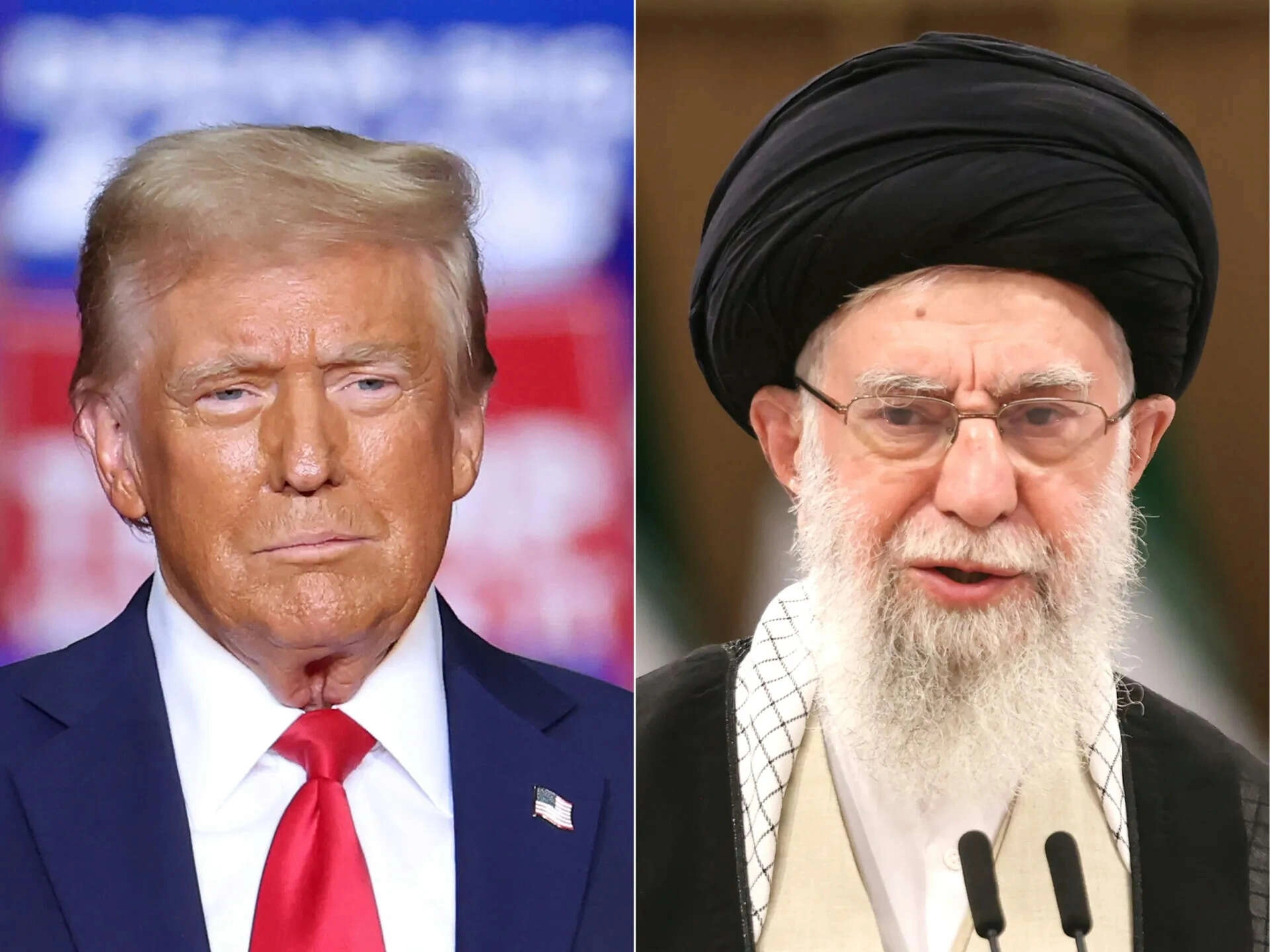
Former President Donald Trump has recently softened his stance on Ukrainian President Volodymyr Zelensky, indicating a willingness to engage in dialogue and cooperation regarding future dealings. This shift comes amidst ongoing geopolitical tensions and as Trump expresses optimism about a mineral deal that is anticipated to materialize “soon.” The prospect of this agreement has significant implications for both countries, particularly in the context of Ukraine’s economic recovery and the global demand for various critical minerals.
Trump’s remarks suggest a strategic pivot that could lead to enhanced collaboration between the United States and Ukraine. The potential mineral deal is particularly noteworthy, as it may involve the extraction and trade of essential resources that are crucial for various industries, including technology and renewable energy. As countries around the globe strive for energy independence and sustainability, access to these minerals could provide Ukraine with much-needed economic support and stability, while also benefiting American industries that rely on these resources.
This evolution in Trump’s rhetoric towards Zelensky may also reflect a broader shift in U.S. foreign policy priorities. With increasing attention on the importance of international alliances and partnerships, particularly in Eastern Europe, the former president’s newfound openness could signal an intent to bolster U.S.-Ukraine relations. As the situation in Ukraine continues to evolve, the implications of this potential deal could resonate well beyond economic factors, influencing diplomatic relations and regional stability in the years to come.
In the context of this evolving narrative, it remains to be seen how the proposed mineral deal will unfold and what it will mean for both nations. The details of the agreement, including the specific minerals involved and the terms of trade, will be key to understanding the full impact of this development. As stakeholders in both countries watch closely, the potential for collaboration could pave the way for a more robust partnership that addresses not only economic interests but also broader security concerns in the region.