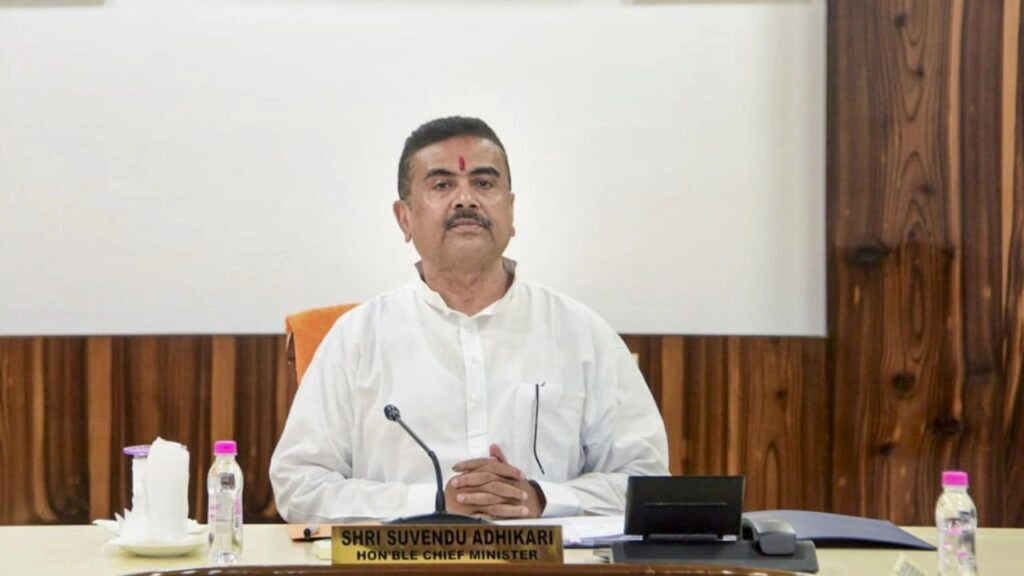
In a recent development that has taken the political landscape by storm, Shubhendu Adhikari’s decision to offer fish and rice for a mere 5 rupees has left many in the Trinamool Congress (TMC) party astonished. This unexpected move is not just a simple pricing strategy; it signifies a deeper political maneuvering aimed at capturing the attention of the electorate. Adhikari, who has emerged as a prominent figure in West Bengal politics, seems to be leveraging this initiative to strengthen his appeal among the lower-income demographic, which is a crucial voter base.
The juxtaposition of affordable food items against the backdrop of liquor sales has raised eyebrows. While many might view the low price of fish and rice as a benevolent act, it simultaneously highlights the growing concerns regarding the availability and promotion of alcohol in the region. Critics argue that while providing basic sustenance at an unbeatable price is commendable, it also brings to light the issues of substance abuse and its implications on society. The TMC, known for its welfare programs, is now faced with the challenge of responding to this bold move by Adhikari, who has previously been a part of their ranks before making a significant political shift.
Adhikari’s initiative can be seen as a strategic ploy to not only win over voters but also to create a narrative that contrasts with the TMC’s policies. In a state where political rivalries are intense, such stark contrasts can have profound implications. The TMC, which has often prided itself on its social welfare initiatives, must now contend with the repercussions of this unexpected competition. As the political climate heats up, observers are keen to see how the TMC will respond to this challenge and whether they will adjust their strategies to counteract the appeal of Adhikari’s affordable offerings.
Overall, this situation encapsulates the dynamic and often unpredictable nature of West Bengal politics. The intertwining of food security, alcohol availability, and political strategy creates a complex scenario where the stakes are high. As the elections approach, the ramifications of Adhikari’s decision will likely play a critical role in shaping voter sentiment and potentially influencing the outcome of the political contest in the state.