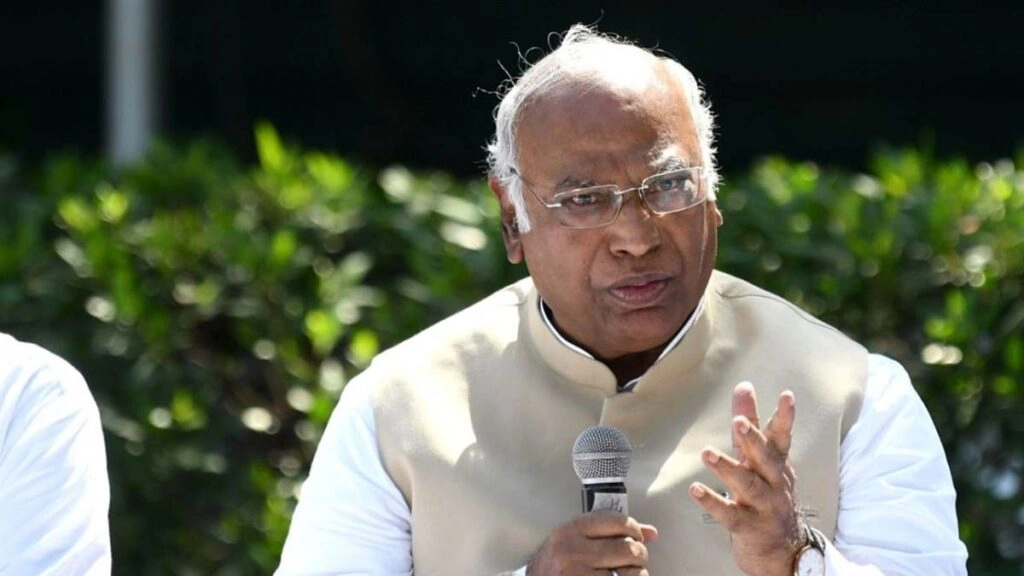
Congress President Mallikarjun Kharge has raised concerns regarding the apparent discrepancy between the prices of crude oil and the cost of fuel for consumers. Despite crude oil prices being relatively low in the global market, fuel prices remain high, leading to questions about the factors influencing these costs. Kharge criticized the central government for what he perceives as a failure to translate the decrease in crude oil prices into savings for the common people.
Kharge pointed out that while crude oil has seen a drop in prices, this reduction has not been reflected in the prices consumers pay at the pump. He accused the government of not taking appropriate measures to ensure that the benefits of lower crude oil prices are passed on to the public. This situation has led to increased financial strain on households, particularly in the wake of rising inflation and other economic pressures.
The Congress leader’s statements come amid growing public frustration over fuel prices, which have a direct impact on transportation costs and, consequently, the prices of goods and services. Kharge’s criticism highlights a broader issue regarding government accountability and the need for transparency in how fuel prices are determined. With the upcoming elections, this issue is likely to become a focal point for political debate as parties seek to address the concerns of voters who are feeling the pinch of high fuel costs despite the favorable conditions in the crude oil market.