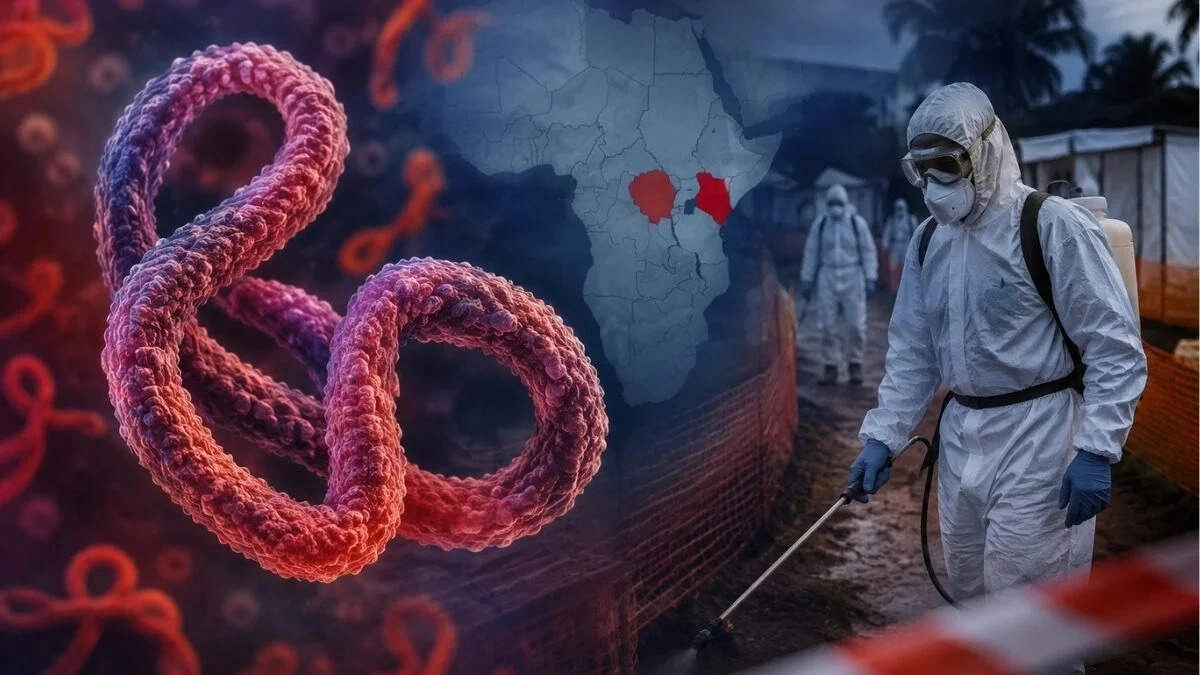
Ebola virus disease is a severe illness that can lead to serious health complications and even death. Understanding the symptoms of Ebola is crucial for early detection and effective response. The initial signs of Ebola typically appear between two days to three weeks after exposure to the virus. Common early symptoms include high fever, intense weakness, muscle pain, headache, and a sore throat. As the disease progresses, patients may experience vomiting, diarrhea, rash, impaired kidney and liver function, and in some cases, both internal and external bleeding.
Experts emphasize the importance of recognizing these symptoms early, as timely medical intervention can significantly improve survival rates. If someone suspects they have been exposed to the Ebola virus or exhibits these symptoms, it is critical to seek medical attention immediately. Isolation is also vital to prevent the virus from spreading to others. Healthcare providers often use protective gear to minimize the risk of transmission when treating suspected Ebola patients.
Preventive measures are essential in controlling outbreaks of the Ebola virus. Health organizations recommend practicing proper hygiene, such as frequent handwashing with soap and water or using hand sanitizers. Avoiding contact with infected individuals or their bodily fluids is crucial, as well as avoiding consumption of bushmeat, which can be a source of the virus. Additionally, vaccination is available for those at higher risk, and community awareness programs play a significant role in educating people about Ebola and its prevention. By understanding the symptoms and implementing preventive strategies, we can better protect ourselves and others from this deadly virus.