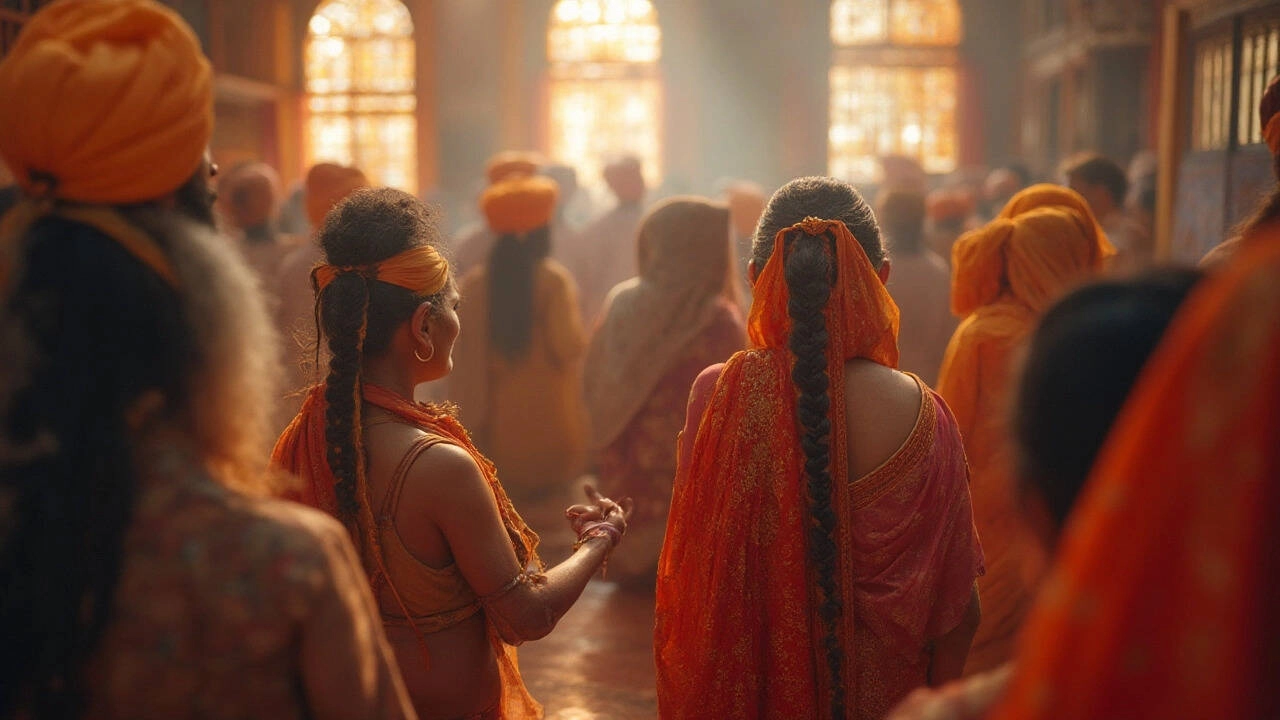
In Sikhism, the prohibition against women cutting their hair is deeply rooted in religious significance and tradition. This practice is intertwined with the belief that hair, or “kesh,” is a gift from God and symbolizes spirituality and dedication to the faith. For Sikhs, maintaining uncut hair is an expression of their commitment to the teachings of Guru Nanak and the subsequent Gurus, who emphasized living a life of humility and respect for the divine.
The tradition of not cutting hair applies to both men and women, but it often garners more discussion when it comes to women. The underlying principle is that hair represents strength and natural beauty, and by not altering it, individuals honor the creation of God. This practice is also seen as a way to reject societal pressures and standards of beauty that often dictate how women should present themselves. By embracing their natural state, Sikh women demonstrate a strong sense of identity and self-acceptance.
Moreover, the community aspect of Sikhism plays a crucial role in this tradition. Women, like men, are encouraged to participate fully in religious life, and maintaining uncut hair is part of that active engagement. The collective adherence to this practice fosters a sense of unity and shared values among Sikhs. While personal choices about hair may vary in contemporary contexts, the foundational teachings of Sikhism continue to inspire many to uphold this tradition, reflecting a deep respect for their faith and its principles.
In conclusion, the prohibition against women cutting their hair in Sikhism is not merely a rule but a profound expression of faith, identity, and cultural heritage. It encapsulates the values of spirituality, respect for oneself, and adherence to the teachings of the Gurus, emphasizing the importance of living authentically and in accordance with one’s beliefs.