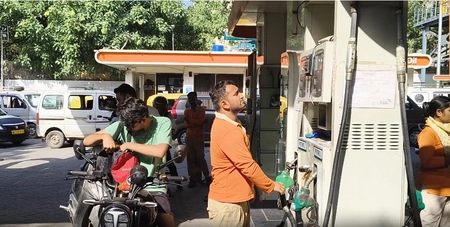
The recent increase in fuel prices has elicited a mixed response from the public, reflecting a spectrum of opinions and sentiments. While some individuals have expressed their anger and frustration over the rise in costs, others have shown a degree of understanding and support for the government’s decision. This divergence in reactions highlights the complex relationship that people have with fuel prices, which are often seen as a direct reflection of the economic conditions and government policies.
On one hand, many citizens are voicing their discontent, arguing that the hike in fuel prices places an additional financial burden on their already strained budgets. Commuters, small business owners, and daily wage laborers are among those most affected, as increased fuel costs directly impact transportation expenses and the overall cost of living. Protests and social media campaigns have emerged in various locations, with people demanding government accountability and more transparent pricing mechanisms.
Conversely, some segments of the population argue that the increase is justified, citing factors such as global oil market fluctuations and the need for the government to generate revenue for infrastructure and social programs. Supporters of the price hike often emphasize the importance of long-term investments in sustainable energy solutions and the need for the country to adapt to changing economic realities. This group believes that while the current situation may be challenging, it may also lead to greater stability and economic growth in the future.
In summary, the rise in fuel prices has sparked a complex dialogue among the public, revealing both dissatisfaction and support. This situation underscores the necessity for policymakers to engage with citizens, addressing their concerns while also communicating the rationale behind such economic decisions. As the debate continues, it remains crucial for the government to find a balance that considers both the immediate impact on people’s lives and the long-term goals for the economy.