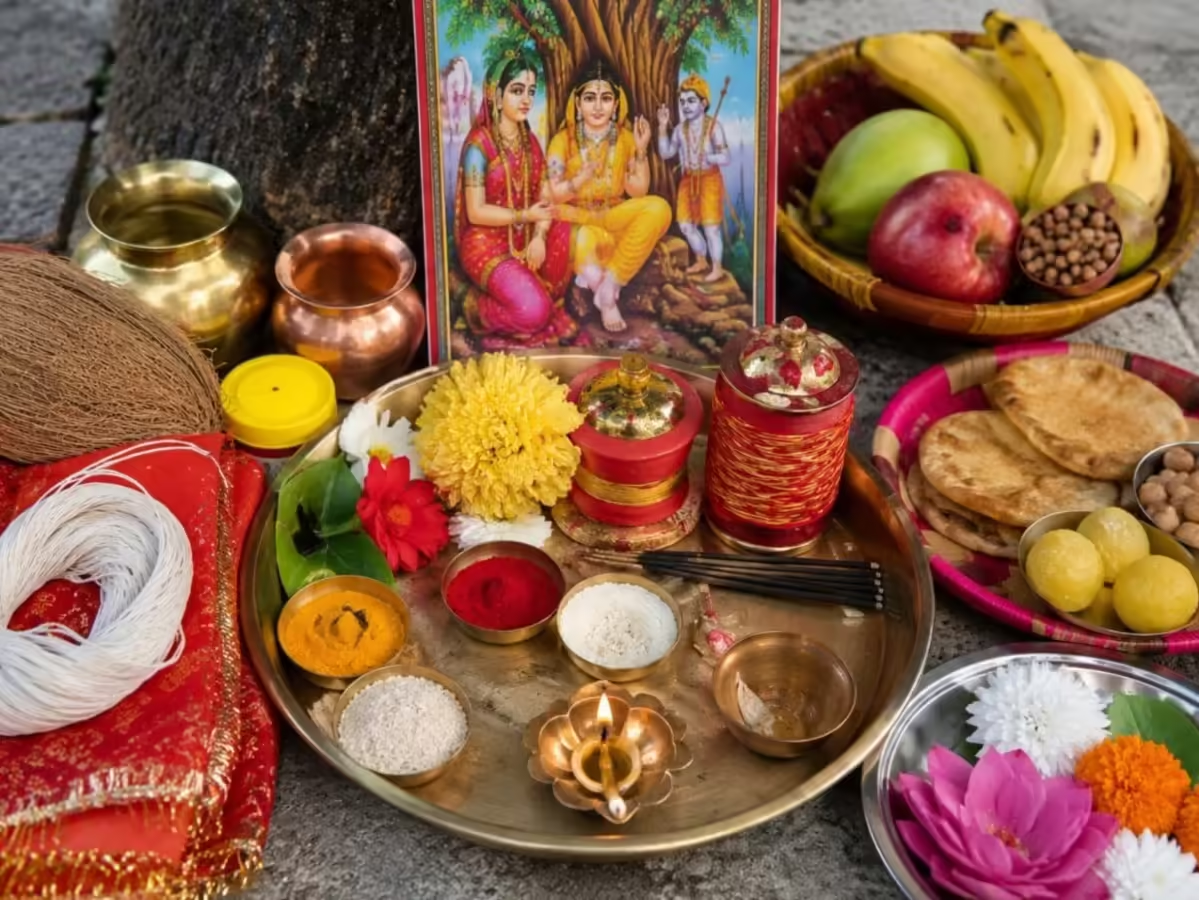
The Vat Savitri Vrat is a significant festival celebrated by married women in India, particularly in the northern regions. This festival is dedicated to the goddess Savitri, who is revered for her unwavering devotion to her husband, Satyavan. The observance of this fast is rooted in the belief that it enhances the longevity and well-being of their husbands. The festival usually falls on the full moon day of the month of Jyeshtha, which typically occurs in May or June.
To prepare for the Vat Savitri Vrat, women gather various materials necessary for the rituals, which include a sacred thread, a small idol or picture of Savitri and Satyavan, fresh mango leaves, and offerings such as fruits and sweets. The primary components of the ritual involve tying the sacred thread around a banyan tree, which symbolizes strength and longevity, and performing prayers that recount the story of Savitri’s devotion. Women often dress in traditional attire and apply henna as part of their celebration.
The Vrat Katha, or the story associated with this fast, narrates the tale of Savitri who, despite her husband Satyavan’s impending death, demonstrated her love and determination by negotiating with Yama, the god of death, to bring him back to life. Her dedication and cleverness are celebrated during this day, and women often share this story among themselves as part of the ritual, reinforcing the values of loyalty and devotion.
The worship procedure is relatively simple yet profound. First, women bathe and wear new clothes, then they set up a small altar with the idol or picture of Savitri and Satyavan. After offering prayers, they tie the sacred thread around the banyan tree while reciting the Vrat Katha. Finally, they share sweets and fruits with family and friends, symbolizing the joy of the occasion and the significance of marital bonds. This festival not only strengthens the ties between married couples but also fosters a sense of community among women as they come together to celebrate their shared values and traditions.