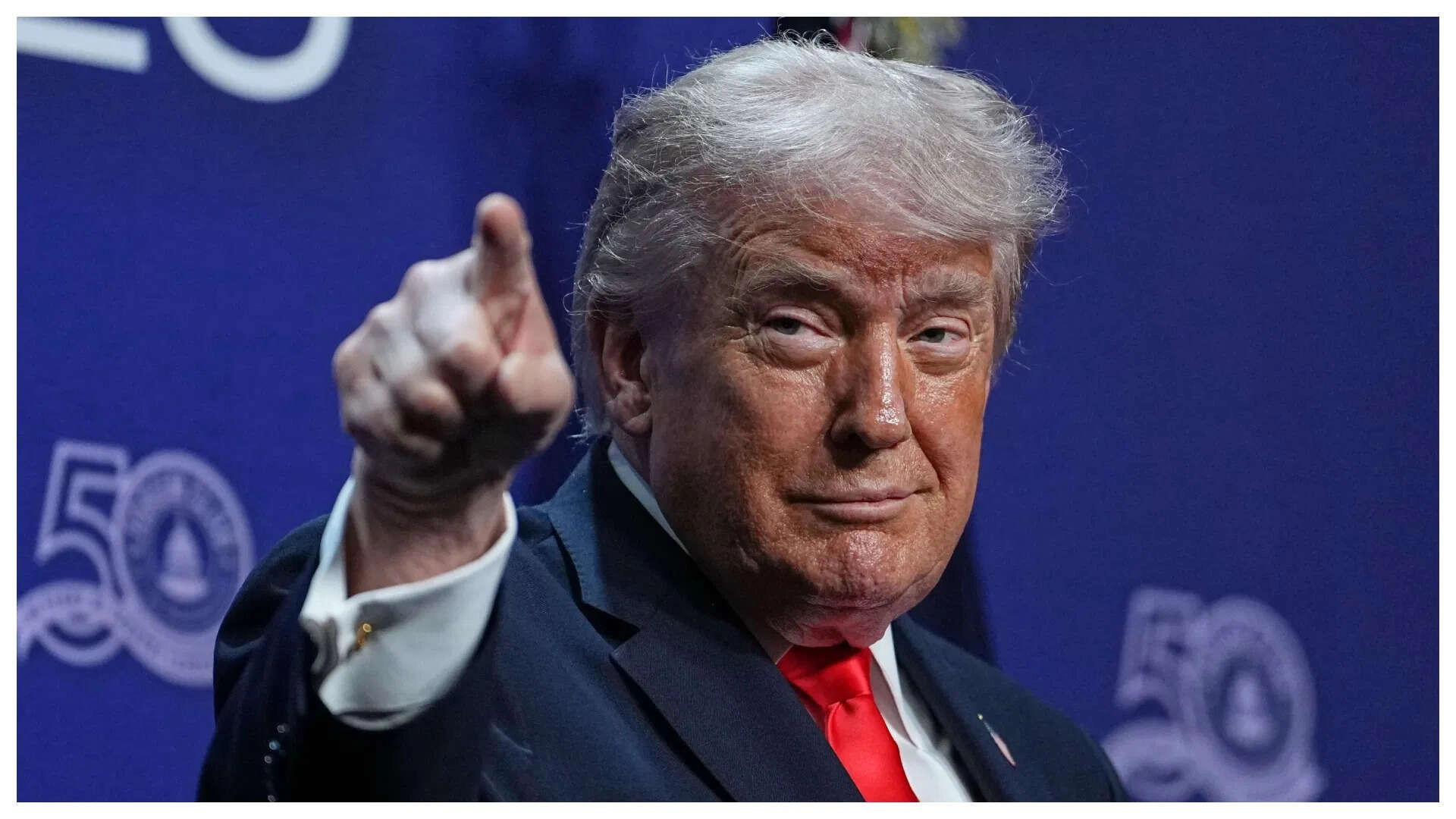
Former President Donald Trump issued a significant threat to Iran, declaring, “We will win the war at all costs.” His statement underscores the intense geopolitical tensions between the United States and Iran, particularly concerning nuclear negotiations and regional stability. Trump emphasized the urgency for Iran to engage in a new agreement, warning that failure to do so would lead to severe consequences for the country.
In the past, Trump has been vocal about his administration’s approach to Iran, notably withdrawing from the 2015 nuclear deal, which he claimed was flawed and did not adequately prevent Iran from pursuing nuclear weapons. His latest comments reflect a continuation of this hardline stance, suggesting that military action remains a viable option if diplomatic efforts fail. Trump’s rhetoric resonates with his base, who view a strong stance against Iran as crucial for national security and regional dominance.
Furthermore, Trump’s warning serves as a reminder of the precarious situation in the Middle East, where tensions can escalate rapidly. The Iranian government, facing economic struggles exacerbated by sanctions, might perceive these threats as a call to assert its influence and respond defiantly. The international community watches closely, as any misstep could lead to conflict, affecting not only the U.S. and Iran but also allies and adversaries in the region. The dynamics of this situation highlight the delicate balance between diplomacy and military preparedness in U.S. foreign policy.